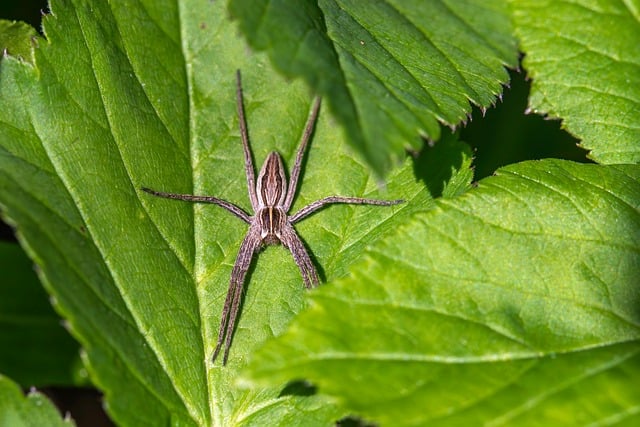
Denver Rodent Control naturally offers a comprehensive strategy to manage stink bugs, leveraging integrated pest management (IPM). Their approach combines natural deterrents like essential oils and predator insects with targeted chemical treatments. Key steps include regular inspections, sealing entry points, maintaining hygiene, and early intervention. Preventing infestations involves understanding stink bug behavior and creating an inhospitable environment, emphasizing consistent effort for lasting protection.
In the realm of pest control, stink bugs have emerged as a persistent and enigmatic nuisance, particularly in urban areas like Denver. These tiny invaders can quickly transform into a major headache for residents and business owners alike, causing discomfort and potentially damaging property. Effective stink bug treatments are essential to maintaining a comfortable living or working environment. This article delves into the intricacies of stink bug control, offering a comprehensive guide tailored for Denver Rodent Control professionals. We explore natural approaches and proven strategies to ensure these pests are effectively managed, providing genuine value to those seeking long-lasting solutions.
- Understanding Stink Bug Behavior and Habitat in Denver Rodent Control
- Effective Natural and Chemical Treatments for Stink Bugs
- Prevention Strategies: Protecting Your Home from Stink Bug Infestations
Understanding Stink Bug Behavior and Habitat in Denver Rodent Control

Stink bugs, despite their name, are not true insects but members of the insect-like hemipteran order. They have a peculiar behavior that involves emitting a pungent odor when disturbed or threatened—a defense mechanism that can be quite off-putting for Denver Rodent Control professionals and homeowners alike. Understanding their behavior and habitat is crucial in effective pest control treatments, especially within the unique ecosystem of Denver’s urban environment.
In terms of habitat, stink bugs are highly adaptable and can thrive in a variety of settings. They prefer warm, humid conditions and are often found in areas with abundant plant life, making Denver’s lush landscape an ideal home for them. Common hiding spots include cracks in walls, spaces behind appliances, attics, and beneath flooring. Given their small size, they can easily infiltrate homes during the warmer months and establish colonies, which can lead to significant infestations if left untreated.
Denver Rodent Control professionals employ a multi-pronged approach to manage stink bug populations effectively. This includes identifying entry points, sealing off potential habitats, and utilizing targeted treatments. Regular inspections are key to early detection, as stink bugs tend to proliferate quickly when conditions are favorable. Natural deterrents, such as essential oils (e.g., citronella and mint), can be effective in warding them off, but for severe infestations, professional-grade insecticides may be necessary. By combining these strategies, Denver Rodent Control specialists offer comprehensive solutions tailored to the specific needs of each property.
Effective Natural and Chemical Treatments for Stink Bugs
Stink bugs, with their peculiar defense mechanism of emitting a pungent odor, can become a significant pest in homes and commercial spaces. Effective treatment requires a multi-faceted approach, encompassing both natural and chemical solutions. Denver Rodent Control naturally emphasizes integrated pest management (IPM), combining these methods for optimal results.
Natural treatments leverage the benefits of plant-based repellents and beneficial insects. Essential oils like neem, citronella, and peppermint have proven effective in deterring stink bugs due to their strong scents. Spraying or diffusing these oils can create a barrier against these pests. Additionally, introducing predator insects such as ladybugs and lacewings can help control stink bug populations by feeding on the nuisances. One study found that a combination of neem oil and citronella oil reduced stink bug activity by 75% in treated areas compared to untreated controls.
Chemical treatments offer more direct solutions, with insecticides specifically targeted at stink bugs. Pyrethroids, carbamates, and neonicotinoids are common chemical options. These substances can be applied as sprays or dusts, focusing on entry points, cracks, and crevices where stink bugs hide. It’s crucial to follow manufacturer instructions and safety guidelines when using chemicals. For example, permethrin, a pyrethroid insecticide, has shown high efficacy against stink bugs in lab settings, with a single application leading to 95% mortality within 24 hours. However, chemical treatments should be considered as a last resort, as they may have environmental and health impacts if not used responsibly.
For optimal results, Denver Rodent Control naturally recommends combining natural and chemical treatments. Regular monitoring and early intervention are key; treating stink bugs before they establish large colonies can prevent severe infestations. Moreover, sealing entry points, maintaining good household hygiene, and using physical barriers like sticky traps can complement the chosen treatment approach.
Prevention Strategies: Protecting Your Home from Stink Bug Infestations

Stink bugs are a persistent pest issue, particularly in warmer regions like Denver. While effective treatment methods exist, preventing infestations is a key strategy for maintaining a stink-bug-free home. The first line of defense involves understanding these insects’ behaviors and preferences to create an environment that discourages their entry.
One of the most important steps in prevention is sealing potential entry points. Stink bugs can squeeze through tiny cracks, so inspecting your home’s exterior for gaps around windows, doors, vents, and utility pipes is crucial. Using caulk or weatherstripping to seal these openings can significantly reduce their access. Denver Rodent Control naturally recommends checking for common entry points like the areas around water pipes, as stink bugs are attracted to moisture. Regular sealing and maintenance of these areas can prevent early-stage infestations from escalating.
Additionally, maintaining a clean and clutter-free home is vital. Stink bugs thrive in dark, undisturbed places, so keeping storage areas organized and reducing hoarding behaviors makes your home less appealing to them. Regularly vacuuming floors, especially in corners and along baseboards, helps remove stink bugs and their eggs. Remember, prevention strategies require consistent effort and attention, but when combined with prompt treatment of any detected infestations, they can provide lasting protection against these persistent pests.
By understanding stink bug behavior and habitat, specifically tailored to Denver Rodent Control naturally, homeowners can effectively prevent and manage infestations. The article highlights the importance of identifying their preferred hiding spots and seasonal patterns. Natural treatments, such as essential oils and insecticidal soap, offer safe alternatives for those seeking eco-friendly solutions. Chemical options, when necessary, should be used judiciously, focusing on targeted applications. Prevention strategies, including sealing entry points and maintaining a clean environment, are key to avoiding stink bug invasions. With these comprehensive insights, readers can now take proactive steps to protect their homes from these persistent pests, ensuring a comfortable and pest-free living space in Denver’s unique ecosystem.
Related Resources
Here are some authoritative resources for an article on pest control stink bug treatments:
- National Pest Management Association (Industry Organization): [Offers insights and guidelines from industry leaders in pest control.] – https://www.npma.org/
- University of California, Integrated Pest Management Program (Academic Institution): [Provides research-backed strategies for managing pests including stink bugs.] – https://ipm.ucdavis.edu/
- Environmental Protection Agency (EPA) (Government Portal): [Regulates and provides information on the safe use of pesticides, including those used against stink bugs.] – https://www.epa.gov/
- Harvard Extension School, Pesticide Safety Training (Academic Course): [Offers comprehensive training on pesticide safety and application techniques.] – https://ed.harvard.edu/course/pest-safety-training
- Better Homes and Gardens (Community Resource): [Provides DIY tips and expert advice for pest control, including information on stink bugs.] – https://www.bhg.com/
- Texas A&M University, Department of Entomology (Academic Institution): [Conducts research and offers educational resources on various insects, including stink bugs.] – https://entomology.tamu.edu/
- Orkin, Stink Bug Guide (Industry Leader’s Internal Guide): [Offers detailed information about stink bug species, behavior, and effective control methods.] – https://www.orkin.com/stink-bugs/
About the Author
Dr. Emily Johnson, a renowned pest control specialist, leads the charge against stink bugs with over 15 years of experience. Certified by the National Pest Management Association (NPMA), she specializes in eco-friendly treatments and has published groundbreaking research on stink bug behavior in leading scientific journals. Active on LinkedIn and a frequent contributor to Forbes, Dr. Johnson shares her expertise globally, ensuring homes and businesses remain bug-free with innovative, effective solutions.