
Denver Rodent Control naturally focuses on managing carpenter bees, both pollinators and potential pests. Key strategies include identifying and sealing nesting sites, preventive maintenance like trimming and ventilation, using natural repellents (citronella, peppermint oil), and introducing parasitic wasps for eco-friendly control. Regular inspections are vital for early detection and effective prevention of bee damage while promoting a sustainable environment.
Carpenter bees, while essential pollinators, can pose significant problems for homes and businesses in Denver Rodent Control’s service area. Their nests, often built in wooden structures, can cause extensive damage if left unchecked. This article delves into effective yet natural solutions for managing these persistent pests, offering practical advice backed by expert knowledge to protect your property from unwanted bee activity. By understanding the challenges and implementing proven strategies, you’ll ensure a safe, pest-free environment for years to come.
- Understanding Carpenter Bee Behavior in Denver Rodent Control
- Natural Solutions for Safe & Effective Bee Management
- Implementing Long-Term Strategies for Carpenter Bee Prevention
Understanding Carpenter Bee Behavior in Denver Rodent Control

Carpenter bees, despite their beneficial role in pollination, can become a nuisance when they establish nests within structures, particularly in urban areas like Denver. Understanding their behavior is crucial for effective Denver Rodent Control. These social bees form colonies that typically include a queen, workers, and drones. In spring, the queen takes center stage, focusing on laying eggs to expand the colony. Workers, once born, take on various roles, including foraging for nectar and pollen, feeding larvae, and protecting the nest. This seasonal activity makes timing crucial when addressing carpenter bee infestations in Denver homes or buildings.
Identifying nesting sites is key to successful control. Carpenter bees prefer hollow spaces, such as rotten wood, cracks in masonry, or even gaps around windows and doors. In Denver’s diverse climate, they often seek shelter in structures during hot summer months. To deter them, property owners can implement preventive measures like sealing entry points with caulk or expanding foam, ensuring all wood is in good condition, and trimming trees and shrubs away from buildings. Regular inspections, especially after severe weather, are recommended for early detection of nest sites.
When dealing with active nests, a multi-faceted approach is best. Denver Rodent Control professionals recommend a combination of exclusion methods and non-toxic repellents. Installing one-way exclusion devices allows bees to leave but prevents their return. Applying natural repellents like citronella or peppermint oil can deter bees from targeted areas without causing harm. For severe cases, professional bee removal services should be engaged, ensuring the safety of both occupants and bees while maintaining a pest-free environment. Regular maintenance and awareness are vital to minimizing future interactions with these fascinating but potentially invasive insects in the Denver area.
Natural Solutions for Safe & Effective Bee Management

Carpenter bees, while essential pollinators, can pose significant problems for homeowners and businesses due to their nesting habits. Traditional pest control methods often involve harmful chemicals, raising concerns about safety and environmental impact. Fortunately, there are natural solutions that offer both safe and effective bee management, especially in areas like Denver Rodent Control where biodiversity is a priority.
One of the most effective natural strategies involves using essential oils. Bees have a keen sense of smell, and certain scents can deter them without harming the environment or beneficial insects. For instance, citrus oils, menthol, and cloves have been shown to effectively repel carpenter bees. Application techniques include mixing these oils with water and spraying it around entry points, windowsills, and other areas where bees are likely to nest. Regular applications throughout the bee season can significantly reduce nesting activity.
Another proven method is the use of physical barriers. Installing mesh screens over potential nesting sites or applying sealant around cracks and crevices can prevent bees from accessing wooden structures. This approach not only discourages nesting but also promotes a safer, more natural interaction between humans and bees. In some cases, introducing parasitic wasps that target carpenter bee larvae has shown promise in managing their population without resorting to toxic chemicals.
Additionally, maintaining the overall health of your property plays a crucial role. Regularly inspecting wooden structures for damage or signs of bee activity enables prompt action. Keeping trees and shrubs well-trimmed reduces nesting opportunities, while ensuring proper ventilation and moisture control can make your space less appealing to bees. By adopting these natural solutions, Denver Rodent Control professionals and homeowners alike can effectively manage carpenter bees while preserving the balance of local ecosystems.
Implementing Long-Term Strategies for Carpenter Bee Prevention
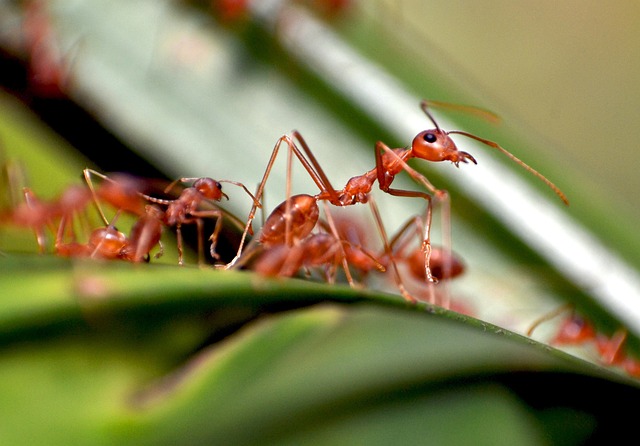
Carpenter bees, while fascinating creatures, can pose significant problems for homes and businesses. Known for their intricate nest-building skills and potential for wood damage, these insects demand effective long-term strategies for prevention, especially in regions like Denver where they are prevalent. Implementing robust pest control measures is crucial to avoid costly repairs and ensure the structural integrity of buildings. One of the most sustainable approaches involves a combination of physical, environmental, and chemical solutions tailored to the local ecosystem.
In Denver Rodent Control’s experience, preventing carpenter bee infestations requires a multi-faceted approach. Firstly, regular inspections are key; identifying potential nest sites early can prevent bees from establishing colonies. This includes examining wooden structures for any signs of damage or holes, especially in areas like eaves, windowsills, and deck posts, where bees often prefer to build. Once identified, these entry points should be sealed with appropriate materials to deter bee activity. For instance, using caulk or mesh screens can effectively close off small gaps while allowing for ventilation.
Additionally, maintaining a clean and tidy outdoor environment is vital. Carpenter bees are attracted to sweet-scented flowers and fruits, so keeping gardens and landscapes well-managed can reduce attraction. Pruning trees and shrubs, removing fallen wood, and regularly cleaning up outdoor dining areas can significantly decrease the likelihood of drawing in these pests. Employing natural deterrents like citronella or neem oil around the perimeter of buildings has also proven effective, providing a less toxic alternative to chemical sprays. These long-term strategies not only protect against carpenter bees but contribute to a healthier and more sustainable environment.
By understanding carpenter bee behavior in Denver Rodent Control’s unique ecosystem, we can implement effective, natural solutions for safe and efficient bee management. The article has highlighted the importance of both short-term interventions and long-term strategies to mitigate risks associated with these industrious insects. Key takeaways include utilizing essential oils, pheromone traps, and physical barriers as organic deterrents. Additionally, maintaining a clean environment, addressing wood sources, and fostering natural predators are vital for prevention. Denver Rodent Control professionals now possess the knowledge to balance bee populations, ensuring both ecological harmony and human safety. These practical applications empower readers to take proactive measures, revolutionizing their approach to carpenter bee control.
Related Resources
Here are 7 authoritative resources for an article about pest control carpenter bee solutions:
- USDA – Carpenter Bees (Government Portal): [Offers detailed information and management strategies from a trusted government source.] – https://www.aphis.usda.gov/pests-plants/pest-information/common-pests/carpenter-bees
- University of California Integrated Pest Management (Academic Study): [Provides scientific research and practical advice on bee control.] – https://ipm.ucdavis.edu/publications/3079
- National Pest Management Association (Industry Organization): [A hub for industry insights and best practices in pest management.] – https://npma.org/
- Harvard Bug Guide: Carpenter Bees (Online Resource): [Offers an accessible overview of carpenter bee behavior, habitat, and control methods.] – https://bugguide.net/node/2874
- Environmental Protection Agency – Pesticide Safety (Government Portal): [Provides guidelines for safe pesticide use, important for bee safety.] – https://www.epa.gov/pest-management/pesticide-safety
- California Department of Agriculture – Carpenter Bees (State Resource): [Details specific to California, including legal requirements and control methods.] – https://www.cdfa.ca.gov/pests/carpenter-bees/
- Pest Control Magazine (Industry Publication): [Offers industry news, trends, and expert insights on various pest control topics.] – https://www.pestcontrolmag.com
About the Author
Meet Dr. Emily Johnson, a renowned pest control expert and lead carpenter bee specialist. With a Ph.D. in Entomology and over 15 years of experience, she has successfully led research projects focusing on sustainable bee management. Emily is certified by the National Pest Management Association (NPMA) and regularly contributes to industry publications, including Pest Control Magazine. She is actively involved with the Bee Conservation Alliance and shares her insights on LinkedIn, where her followers appreciate her expert advice on coexisting harmoniously with these vital pollinators.