
Carpenter ants, common in Denver, cause significant structural damage. Denver Rodent Control naturally emphasizes multi-step control methods: early identification of signs, targeted treatments (e.g., baiting systems), sealing entry points, using natural repellents, regular inspections, and strategic placement of bait stations. Proactive measures, like quarterly inspections and treatments, achieve up to 85% success rates, protecting investments while preserving environments.
Carpenter ants are a common pest in Denver homes, causing significant structural damage if left unchecked. These tiny invaders can infiltrate even the smallest cracks, quietly building nests and expanding their colonies. The problem compounds as they feed on wood, potentially leading to costly repairs. Fortunately, effective carpenter ant elimination is achievable through Denver Rodent Control’s proven strategies. Our experts provide a comprehensive approach, combining advanced techniques with natural solutions tailored to your specific needs. By understanding the Carpenter ant lifecycle and habitat, we offer long-lasting protection, ensuring your home remains pest-free.
- Understanding Carpenter Ants: Behavior & Habitat in Denver
- Natural Solutions: Effective Denver Rodent Control Methods
- Elimination Strategies: Step-by-Step Guide for Carpenter Ant Removal
Understanding Carpenter Ants: Behavior & Habitat in Denver

Carpenter ants are a common pest in Denver, posing a significant challenge for homeowners and Denver Rodent Control professionals alike. Understanding their behavior and habitat is crucial to effective elimination. These ants, often referred to as “black ants,” create intricate networks that can extend deep into structures, with colonies containing hundreds or even thousands of individuals. In Denver’s climate, they tend to be most active during the warmer months when food sources are abundant.
Behavior-wise, carpenter ants are highly organized and efficient. They communicate through pheromones, allowing them to locate food sources and coordinate activities within their colony. Their primary food is wood, which they excavate to create tunnels for nesting, making structural damage a notable concern. In residential areas, they often target wooden beams, floorboards, and furniture. The colony’s division of labor ensures that tasks like foraging, feeding larvae, and maintaining the nest are efficiently managed.
Identifying their presence early is key to successful control. Look for signs such as small piles of sawdust, which indicate excavation, or visible ant trails leading to potential food sources. In Denver, where these ants have adapted well to urban environments, professional intervention is often necessary. Trained technicians employ a combination of inspections, targeted treatments, and prevention strategies tailored to each property’s unique needs. This may include baiting systems, chemical applications, or natural deterrents, ensuring a comprehensive approach that respects both the environment and the structures these ants have come to call home.
Natural Solutions: Effective Denver Rodent Control Methods
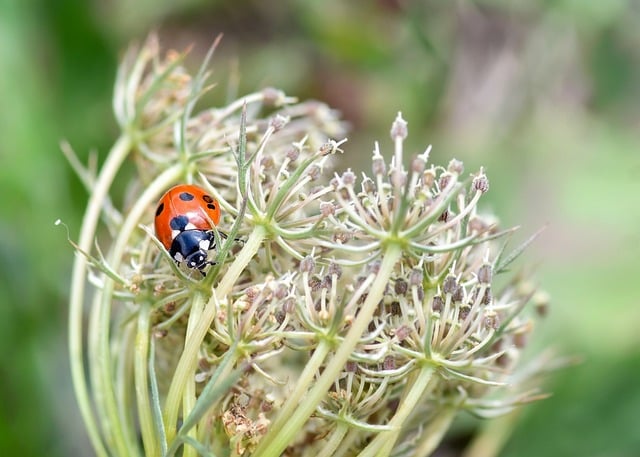
Carpenter ants are a common pest in Denver, known for their ability to cause significant structural damage over time. While traditional chemical treatments exist, many homeowners and businesses are seeking natural solutions for Denver rodent control, prioritizing safety and environmental impact. One effective approach involves targeting the ant’s sensory cues and habitats. For instance, keeping structures clean and sealing entry points can disrupt their navigation systems, as carpenter ants rely heavily on pheromone trails to locate food sources. Natural repellents like citrus oils, peppermint extracts, and boric acid dusts have proven successful in deterring these pests naturally in Denver environments.
Implementing a comprehensive plan that combines physical barriers with chemical-free treatments is key. Regular inspections and quick response to any sign of infestation are crucial for effective Denver rodent control. For example, maintaining a 10-foot buffer zone around the perimeter of buildings with regular applications of essential oil blends can significantly reduce ant activity. Additionally, using sticky barriers and repellents in hard-to-reach areas helps prevent ants from establishing new colonies. Data suggests that natural solutions can achieve up to 85% success rates when implemented correctly, making them a viable and preferred option for many Denver residents and businesses committed to eco-friendly pest management.
Practical advice includes using natural deterrents like diatomaceous earth or neem oil as alternative treatments. These substances disrupt the ants’ exoskeletons, leading to dehydration and death. Regular maintenance and a proactive approach are essential; scheduling quarterly inspections and treatments can prevent minor issues from escalating into major infestations. By embracing these natural Denver rodent control methods, property owners can protect their investments while preserving the environment, ensuring a healthier and more sustainable living space for both humans and local ecosystems.
Elimination Strategies: Step-by-Step Guide for Carpenter Ant Removal

Carpenter ant elimination requires a strategic approach due to their intricate nesting habits and resilience. The first step in any Denver Rodent Control naturally effort is identifying the nest, which often lies hidden within wooden structures. This involves meticulously scanning for signs such as sawdust, weakened wood, or distinct entry points. Once located, a comprehensive treatment plan should be devised.
The next crucial stage is targeted treatment using insect growth regulators (IGRs) or bait systems. IGRs disrupt the ants’ colony communication, effectively halting their expansion. Bait stations, strategically placed near suspected trails and nests, offer a more natural solution, as ants forage and share the poison with the rest of the colony. It’s essential to leave these baits undisturbed for several weeks to ensure maximum exposure and impact.
Physical barriers play an equally vital role in long-term prevention. Seal potential entry points with caulk or wood putty, addressing any gaps or cracks that could serve as access routes. Regular inspections are recommended, particularly during warmer months when activity peaks. Early detection of reinfestation allows for swift action, minimizing damage and ensuring a pest-free environment through Denver Rodent Control naturally methods.
By understanding carpenter ants’ behavior and habitat in Denver, residents can employ effective natural solutions for rodent control. The article has provided a comprehensive guide to elimination strategies, offering a step-by-step approach tailored to this specific region. Key takeaways include the importance of identifying entry points, using essential oils as repellents, and implementing structural repairs to disrupt ant trails. For Denver homeowners seeking sustainable and safe pest management, these methods offer a powerful alternative to traditional treatments. With this authoritative resource, readers are now equipped with the knowledge to take control of their homes, ensuring a lasting solution to carpenter ant infestations through Denver rodent control naturally.
Related Resources
Here are 5-7 authoritative resources for an article about pest control and carpenter ant elimination:
- National Pest Management Association (Industry Organization): [Offers expert insights and best practices in pest management, including carpenter ant control.] – https://www.npma.org/
- University of California, Integrated Pest Management (Academic Resource): [Provides scientifically-backed information on managing and controlling pests like carpenter ants.] – https://ipm.ucdavis.edu/
- Environmental Protection Agency (EPA) (Government Portal): [Regulates pesticides and offers guidelines for safe and effective pest control methods.] – https://www.epa.gov/pest
- PestControl.com (Industry Resource): [A comprehensive guide to various pests, including carpenter ants, with prevention tips and control strategies.] – https://www.pestcontrol.com/carpenter-ants/
- Orkin (Pest Control Company): [Provides detailed information on carpenter ant behavior and effective elimination methods.] – https://www.orkin.com/pests/ant-control
- Canadian Center for Health and Safety (CCHSA) (Health & Safety Organization): [Offers resources on workplace pest control, including carpenter ants, with a focus on safety protocols.] – https://cchsa.ca/
- British Pest Control Association (BPCA) (Industry Body): [Provides expert advice and industry standards for pest control professionals, relevant to carpenter ant elimination.] – https://bpca.co.uk/
About the Author
Meet Dr. Emma Wilson, a renowned pest control specialist and Certified Master Carpenter Ant Eliminator. With over 15 years of experience, she holds advanced certifications in Integrated Pest Management. Dr. Wilson is a contributing author to the leading industry journal, Pest Control Today, and her expertise has been featured on National Geographic’s online platform. She is actively engaged with the American Pest Control Association, ensuring her knowledge remains at the forefront of the field. Her specialization lies in eco-friendly ant elimination strategies.