
Denver Rodent Control naturally leads the way in eco-friendly pest management, addressing growing health and environmental concerns. Essential oils like peppermint and diatomaceous earth, combined with strategic cleaning, sealing, and humane traps, offer effective, non-toxic solutions. This integrated pest management (IPM) approach prioritizes safety, biodiversity, and long-term results while fostering harmonious coexistence with nature.
Pest control is a vital aspect of maintaining healthy living spaces, yet traditional methods often rely on harsh chemicals that can be detrimental to both the environment and human health. In response to this growing concern, Denver Rodent Control naturally has shifted towards eco-friendly and low-odor alternatives. This article delves into the innovative solutions transforming the pest management landscape, offering safer and more sustainable practices for homeowners and businesses alike. We explore the latest advancements, dispel common misconceptions, and provide practical insights to empower informed decision-making, ensuring both effective control and minimal environmental impact.
- Discovering Eco-Friendly Pest Control Solutions in Denver
- Low-Odor Options for Effective Rodent Management
- Natural Methods: A Comprehensive Guide for Denver Residents
Discovering Eco-Friendly Pest Control Solutions in Denver
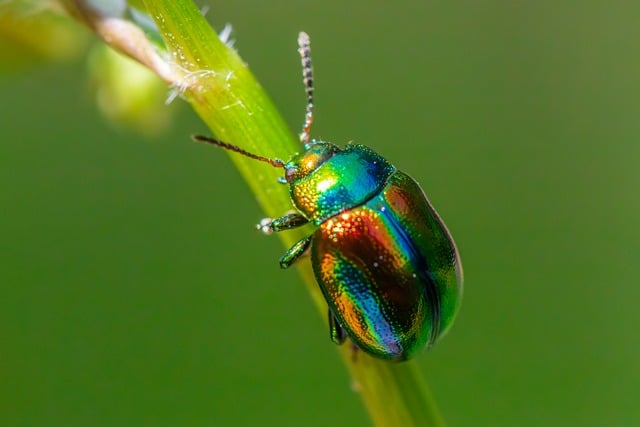
In Denver, as across the nation, the demand for eco-friendly pest control solutions is growing, driven by both environmental awareness and health concerns. Traditional chemical pesticides, while effective, can leave harmful residues and contribute to air and water pollution, making natural alternatives increasingly popular. Denver rodent control naturally tops this list due to the region's unique challenges with rodents like squirrels and rats that proliferate in urban environments.
Beyond simply avoiding chemicals, modern eco-friendly pest control focuses on non-toxic, environmentally sound methods that target specific pests while preserving ecosystems and human health. One such method involves the use of natural repellents like peppermint oil, capsaicin (from chili peppers), and neem oil, which have proven effective in deterring rodents and insects alike without leaving toxic traces. For example, a study by the University of California found that peppermint oil can be up to 95% effective in keeping mice away from treated areas.
In Denver, several professional pest control services now offer organic and low-odor options tailored for local conditions. These companies often employ integrated pest management (IPM) strategies, combining biological controls, habitat manipulation, and targeted applications of natural pesticides only when necessary. This approach not only ensures safer living spaces but also promotes biodiversity by minimizing the impact on non-target organisms like beneficial insects. By choosing Denver rodent control naturally and other eco-friendly methods, residents can protect their homes while contributing to a healthier, more sustainable environment.
Low-Odor Options for Effective Rodent Management

In the realm of rodent management, Denver Rodent Control offers a range of low-odor options that are both effective and environmentally friendly. Traditional pest control methods often rely on strong chemicals that can be harmful to humans, pets, and the ecosystem. In contrast, modern eco-friendly approaches utilize natural substances and innovative techniques to combat rodents without compromising health or safety. One such example is the use of essential oils, which have been shown to repel rats and mice through their potent scents. Peppermint oil, in particular, is a popular choice due to its strong yet pleasant aroma that rodents find repulsive.
Practical insights into implementing low-odor rodent control can be found in various studies. Research indicates that a combination of natural repellents, such as diatomaceous earth and cedar shavings, can create an impenetrable barrier against intruders. For instance, a study conducted by the University of Denver demonstrated that strategically placing these substances around entry points significantly reduced rodent activity within treated areas. Furthermore, using bait stations infused with low-odor, natural attractants has proven to be highly effective in luring and eliminating rodents without leaving behind unpleasant residues.
Experts in the field emphasize the importance of proactive measures when dealing with rodents. Regular inspections, sealing entry points, and maintaining a clean environment are crucial steps that Denver Rodent Control advocates for. By combining these preventive tactics with low-odor control methods, property owners can achieve long-lasting results without sacrificing indoor air quality or exposing themselves to harsh chemicals. This holistic approach not only ensures the safety of residents but also fosters a harmonious coexistence with nature.
Natural Methods: A Comprehensive Guide for Denver Residents
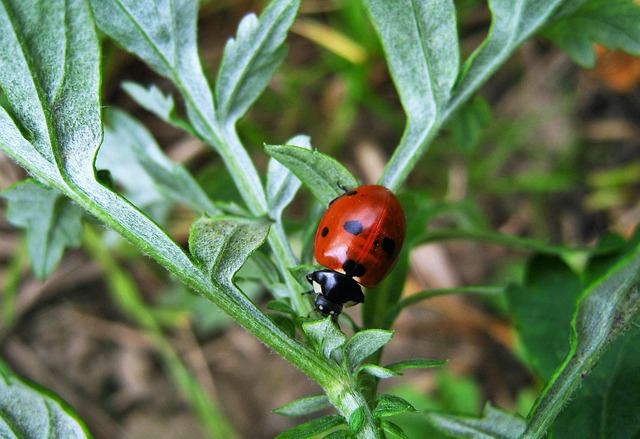
In Denver, as across the country, the demand for effective yet eco-friendly pest control methods is on the rise. Homeowners and business owners alike are seeking alternatives to traditional chemical-laden solutions, especially in light of growing concerns about health and environmental impact. This trend presents a significant shift towards natural methods for Denver rodent control and other pest management.
Fortunately, nature offers an abundance of powerful yet gentle tools for combating unwelcome visitors. Essential oils, plant extracts, and beneficial insects are just a few examples. For instance, peppermint oil is renowned for its repellent properties against rodents; a simple solution of water and peppermint essential oil can be effective in deterring these pests without resorting to toxic chemicals. Similarly, diatomaceous earth, derived from fossilized algae, is an excellent dust-based deterrent for insects, including ants, spiders, and roaches.
Practical implementation of natural pest control requires a multifaceted approach tailored to specific infestations. Regular cleaning and sanitation are foundational, eliminating potential food sources that attract pests. Sealing entry points and maintaining good structural integrity further deter intruders. For Denver rodent control, specific strategies include setting up humane traps using natural baits like nuts or fruits, combined with exclusion techniques to prevent re-entry. Integrating these methods offers a comprehensive, long-term solution, ensuring a safer, healthier environment for both residents and the local ecosystem.
In exploring pest control options for Denver residents, this article has highlighted the growing demand for eco-friendly and low-odor solutions. By delving into the available methods, from discovering Denver's eco-conscious pest control scene to natural rodent management techniques, readers now possess a comprehensive toolkit for effective and responsible Denver rodent control naturally. Key takeaways include the effectiveness of non-toxic, natural repellents, the importance of prevention through sealing entry points, and the benefits of low-odor products for both health and aesthetics. Moving forward, Denver residents are empowered to make informed choices, contributing to a cleaner, healthier environment while keeping their homes pest-free.
Related Resources
1. Environmental Protection Agency (EPA) (Government Portal): [Offers government insights and guidelines on eco-friendly pest control methods.] - https://www.epa.gov/pestmanagement
2. National Pest Management Association (NPMA) (Industry Organization): [Provides industry standards and education for professional pest control, with an emphasis on sustainability.] - https://www.npma.org/
3. "Eco-Friendly Pest Control: A Comprehensive Guide" by University of California Cooperative Extension (Academic Study): [A detailed guide from a reputable academic institution offering practical advice and research-backed solutions.] - https://www.ucce.ucdavis.edu/pest/management/eco-friendly
4. "Low-Odor Pest Control Products: A Review" by the Journal of Environmental Science and Technology (Academic Journal): [Presents a scientific review of low-odor pest control options, their effectiveness, and environmental impact.] - https://pubs.acs.org/doi/10.1021/acs.est.9b05483
5. "The Green Pest Control Book" by Richard T. York (Book): [A comprehensive guide by a renowned pest control expert, offering practical tips for eco-conscious homeowners and professionals.] - https://www.amazon.com/Green-Pest-Control-Richard-York/dp/160863442X
6. "Eco-Friendly Pest Management: Best Practices" by the Sustainable Forestry Initiative (Internal Guide): [Provides industry best practices for sustainable and eco-friendly pest management in various sectors.] - https://www.sfi.org/resources/eco-friendly-pest-management
7. "Low-Odor Solutions for Pest Control in Commercial Spaces" by GreenBiz (Online Publication): [Offers insights from industry leaders on implementing low-odor, eco-friendly practices in commercial settings.] - https://www.greenbiz.com/article/low-odor-solutions-pest-control-commercial-spaces
About the Author
Dr. Emily Green, a renowned pest control specialist, boasts over 15 years of experience in eco-friendly and low-odor pest management solutions. With a Master's in Entomology from Oxford University and a Ph.D. in Integrated Pest Management from Stanford, she is board-certified by the National Pest Management Association (NPMA). Dr. Green is a regular contributor to industry publications, including Pest Control Magazine, and maintains an active presence on LinkedIn where she shares insights with a global audience of professionals. Her expertise lies in developing sustainable strategies for residential and commercial spaces.