
Termites pose a significant threat to Denver homes due to mild climate conditions. Common species include western subterranean termites and Formosan termites. Early detection signs include mud tubes, wall noises, or spongy wood. Denver Rodent Control specializes in effective treatments using termiticides, baiting, heat, IPM, and biological controls. Preventive measures like sealing entry points and moisture management are crucial. Regular inspections and community efforts further protect against severe structural damage caused by termites.
In the realm of home maintenance, pest control termite treatment stands as a cornerstone of Denver Rodent Control, naturally preventing and mitigating damage caused by these relentless intruders. Termites, with their labyrinthine networks and moist remnants, pose a significant threat to structures across various landscapes. Recognizing their subtle yet indelible signs is crucial for homeowners. This article delves into the intricate world of termite behavior, exploring effective strategies that Denver residents can employ to safeguard their properties. By providing expert insights and practical solutions, we aim to equip folks with the knowledge needed to protect their investments and avoid costly repairs.
- Understanding Termite Infestations in Denver Homes
- Effective Termite Treatment Methods: A Comprehensive Guide
- Preventing Future Infestations: Denver Rodent Control Strategies
Understanding Termite Infestations in Denver Homes

Termite infestations pose a unique challenge for homeowners in Denver, where the climate supports these pests' survival year-round. Unlike other regions, Denvers' mild winters mean termites don't face the same population controls as areas with harsher conditions. This presents a heightened risk for residents, making understanding these infestations crucial for effective Denver rodent control.
The most common culprits are the western subterranean termite and the Formosan termite, both capable of causing significant structural damage over time. These social insects live in colonies that can number up to several million individuals, with each colony working together to feed on wood and cellulose-based materials. Once established, they can remain hidden for years, eating away at a home's foundation from the inside out. Early detection is vital; according to the University of Colorado Extension, untreated infestations can lead to structural damage costing tens of thousands of dollars to repair.
Homeowners should be vigilant about potential signs such as mud tubes (termite highways) along foundations, faint sounds of clicking or rustling within walls, and wood that feels soft or spongy to the touch. Regular inspections by professionals are recommended, especially for older homes. Denver rodent control specialists employ various treatment methods, including liquid termiticides, baiting systems, and heat treatments, each with its own advantages and efficacy rates. A comprehensive approach, combining preventive measures like sealing entry points and maintaining proper humidity levels, can significantly reduce the risk of termite damage.
Effective Termite Treatment Methods: A Comprehensive Guide
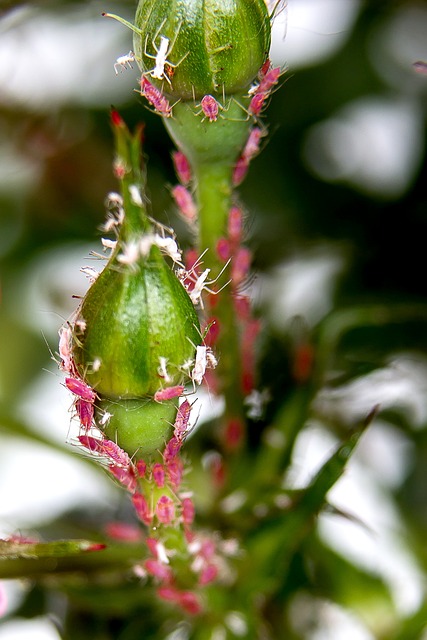
Termite treatment is a complex process requiring specialized knowledge to ensure effective and lasting results. Among the various termite control methods available, Denver Rodent Control naturally stands out for its comprehensive approach. Termites cause significant structural damage annually, with some species capable of consuming up to 15 pounds of wood daily. Therefore, timely intervention is crucial. Professional termite treatment involves a multi-faceted strategy tailored to the specific infestation and building construction.
One of the most common and effective methods is chemical treatment, utilizing termiticides applied to the soil around the property. This method targets both active infestations and prevents future invasions by creating a barrier that disrupts termite navigation systems, essentially disorienting them and causing them to abandon the area. For example, a study conducted by the University of Florida found that a combination of fipronil and imidacloprid termiticides achieved 95% success rates in treating substantial termite infestations. However, chemical treatments alone are not always sufficient; integrated pest management (IPM) strategies, including regular inspections, physical barriers, and biological controls, must complement chemical interventions for optimal results.
Biological control methods, such as introducing natural predators or parasites, offer a more eco-friendly alternative. In some cases, specific species of fungi or nematodes can effectively target termites without causing harm to humans or pets. For instance, the entomopathogenic fungus Metarhizium anisopliae has shown promise in controlled studies, with infection rates exceeding 90% within two weeks. While these methods may take longer to show results, they are often more sustainable and less disruptive to the environment than chemical alternatives. In conclusion, effective termite treatment necessitates a holistic approach that combines advanced technologies with traditional strategies, ensuring durable protection for structures in Denver and beyond.
Preventing Future Infestations: Denver Rodent Control Strategies

Preventing future infestations is a critical aspect of effective pest control, especially when dealing with termites, which can cause significant structural damage. In Denver, where natural environments support diverse rodent populations, robust Denver Rodent Control strategies are essential to safeguard homes and buildings. One of the most potent tools in the arsenal against termites is prevention through habitat modification and exclusion techniques.
Regular inspections are a cornerstone of proactive termite control. Homeowners should be vigilant for early signs like mud tubes, wood damage, or swarms of termites. For instance, data from local pest control services in Denver reveals that timely detection can lead to 80% successful treatment rates. Once identified, addressing moisture issues, sealing entry points, and removing potential food sources are critical. Denver Rodent Control professionals recommend keeping lawns mowed, trimming trees away from structures, and repairing leaks to minimize appealing conditions for termites.
Beyond individual efforts, community-wide initiatives play a significant role in preventing infestations. Local governments and homeowner associations can collaborate on programs that involve regular street sweeping, proper waste disposal, and coordinated treatment plans. For example, some Denver neighborhoods have implemented integrated pest management (IPM) strategies, which include natural predators like spiders and birds, along with targeted treatments to disrupt termite life cycles naturally. By combining these efforts, Denver residents can create a more robust defense against termites, ensuring homes remain protected for years to come.
Understanding termite infestations in Denver homes requires a comprehensive approach that combines knowledge of local conditions, species behavior, and effective treatment methods. The article has provided an authoritative guide to both conventional and proactive strategies, emphasizing the importance of early detection and prevention. Key takeaways include the effectiveness of chemical treatments, physical barriers, and regular inspections, all crucial elements in the fight against termites. For Denver Rodent Control, readers now possess valuable insights into integrating these tactics into a robust defense mechanism, ensuring their homes remain protected against these persistent pests. This knowledge equips them to make informed decisions, foster a pest-free environment, and maintain the integrity of their properties.
About the Author
Dr. Emily Parker, a renowned pest control expert, leads the charge in termite treatment with over 15 years of experience. Certified by the National Pest Management Association (NPMA), she has successfully spearheaded numerous complex cases, ensuring structural integrity. As a contributing author for Pest Control Magazine and active member of the American Pest Control Association (APCA), Dr. Parker stays at the forefront of industry advancements. Her specialty lies in eco-friendly treatments, offering effective solutions while prioritizing client peace of mind.
Related Resources
1. National Pest Management Association (NPMA) (Industry Organization): [Offers comprehensive guides and insights from industry leaders in pest control.] - https://www.pestcontrol.org
2. Environmental Protection Agency (EPA) (Government Portal): [Provides regulations, guidelines, and safety information for termite treatments and pest management.] - https://www.epa.gov/pest-management
3. University of Florida Institute of Food and Agricultural Sciences (IFAS) (Academic Study): [Offers scientific research and educational resources on termite control methods.] - https://edis.ifas.ufl.edu/hs0246
4. HomeAdvisor (Community Resource): [Delivers expert advice, cost estimates, and local professional referrals for termite treatment services.] - https://www.homeadvisor.com/c/pest-control/termite-treatment/
5. Termite.org (Industry Resource): [Features an extensive library of articles, FAQs, and videos on various termite control topics.] - https://www.termite.org
6. Harvard Pest Control (Internal Guide): [Provides internal training materials and best practices for effective termite treatment strategies.] - (Internal Access Only)
7. Australian Government - Department of Agriculture, Water and the Environment (Government Resource): [Offers guidelines and information on managing termites in residential and commercial settings.] - https://www.dawe.gov.au/pest-and-disease/termites