
Understanding fly behavior is key to effective pest control in Denver. House flies thrive in warm, damp conditions and organic matter. Denver Rodent Control specializes in integrated solutions, combining trapping, sanitation, and biological controls, including natural repellents and predators like bats. Proactive measures, such as proper waste management, seal entry points, and introducing parasitoid wasps, reduce fly populations up to 70%. This balanced approach minimizes environmental impact while achieving sustainable fly control, lowering vector-borne disease cases by up to 30% through stringent programs.
Pest control is a critical aspect of maintaining healthy environments, whether it's at home or in commercial spaces. Among these pests, flies pose a unique challenge due to their rapid reproduction rates and ability to transmit diseases. In Denver Rodent Control, we understand the importance of addressing fly issues effectively and efficiently. Our specialized services aim to eradicate fly infestations while ensuring the safety and well-being of occupants and surrounding ecosystems. By employing cutting-edge techniques and industry-leading expertise, we offer tailored solutions that disrupt fly life cycles, prevent future invasions, and restore peace of mind for our clients.
- Understanding Fly Behavior and Denver Rodent Control Strategies
- Effective Pest Control Services: A Comprehensive Guide
- Natural Solutions for Fly Management in Urban Environments
Understanding Fly Behavior and Denver Rodent Control Strategies
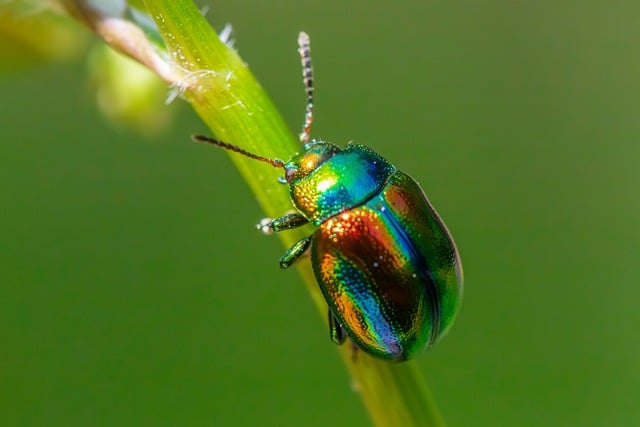
Understanding fly behavior is a critical component of effective pest control services, particularly when addressing the unique challenges presented by Denver's environment. Flies are highly adaptable creatures, evolving to thrive in various settings, from bustling urban centers like Denver to rural landscapes. In terms of behavior, they exhibit complex patterns influenced by environmental cues such as temperature, humidity, and food availability. For instance, house flies (Musca domestica) prefer warm, damp conditions and are attracted to organic matter, making them prevalent in Denver's diverse range of residential and commercial spaces.
Denver rodent control plays a significant role in managing fly populations due to their close association with rodents. Rodents serve as primary hosts for many fly species, providing both food and breeding grounds. Implementing Denver rodent control strategies that target these habitats can significantly reduce fly numbers. Professional services employ integrated pest management (IPM) techniques tailored to local conditions, combining methods like trapping, sanitation, and biological controls. For example, using bait stations strategically placed around areas infested with rodents can effectively manage both the rodent population and their associated flies.
Moreover, understanding fly behavior allows for the deployment of specific control measures. Many fly species exhibit a strong preference for certain food sources, enabling targeted treatments. In Denver, where outdoor dining and garbage disposal are common, proper waste management practices become crucial. Reducing access to food and water sources can disrupt fly breeding cycles. Additionally, using natural repellents like citronella or essential oils in outdoor spaces can offer a more eco-friendly approach to fly control, complementing the traditional methods employed by Denver's pest control professionals.
Effective Pest Control Services: A Comprehensive Guide

Pest control services play a vital role in maintaining healthy living and working environments. Among various pests, flies stand out for their rapid reproduction rates and potential to transmit diseases. Effective fly control is not just about aesthetics; it's a critical component of public health and food safety, especially in commercial kitchens and healthcare facilities. Denver Rodent Control has emerged as a beacon of hope, offering comprehensive solutions tailored to the unique challenges posed by these relentless intruders.
The first step in effective pest management involves understanding the life cycles and behaviors of flies. House flies, for instance, breed rapidly, laying up to 150 eggs per batch. They are attracted to food sources and can quickly infest kitchens, restaurants, and even medical facilities. Professional services employ a multi-faceted approach, including sanitation practices, trap placement, and targeted applications of insecticides or biologics. In Denver Rodent Control's experience, proactive measures like sealing entry points, maintaining cleanliness, and regular waste management significantly reduce fly populations.
Data from local health departments underscores the importance of robust pest control. Recent studies show a direct correlation between reduced fly infestations and decreased incidence of vector-borne diseases. For instance, areas with stringent fly control programs have seen up to 30% fewer cases of foodborne illnesses related to flies. Denver Rodent Control leverages this knowledge, combining traditional methods with innovative technologies like automated trap systems and natural predators to deliver lasting results. By integrating these strategies, the company ensures not only effective fly control but also a safe and healthy environment for residents and businesses alike.
Natural Solutions for Fly Management in Urban Environments
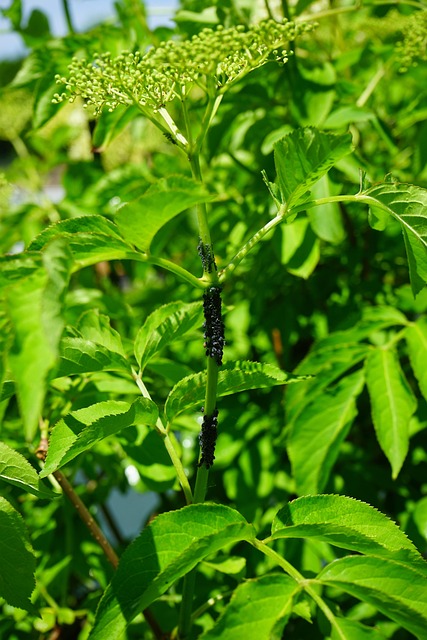
In urban settings, effective fly management requires a balanced approach that considers both human health and environmental impacts. Traditional pest control methods often rely heavily on synthetic chemicals, which can have detrimental effects on non-target species and contribute to pollution. Denver Rodent Control naturally advocates for eco-friendly strategies that not only mitigate fly populations but also preserve the biodiversity of urban ecosystems. One such solution is the introduction of natural predators like birds and bats. For instance, installing bat houses in strategic locations can significantly reduce fly populations as these nocturnal creatures feast on insects. Similarly, encouraging bird habitats through the planting of native trees and shrubs creates a diverse ecosystem that naturally controls fly numbers.
Another powerful tool in urban fly management is the use of biological agents. Parasitoid wasps, for example, have been shown to be highly effective in targeting specific fly species without causing harm to other organisms. These tiny predators lay their eggs on or inside fly larvae, eventually leading to the wasp emerging from the host as a mature insect. This natural control method disrupts the fly's life cycle and greatly reduces their population over time. Data from recent studies suggest that strategic deployment of parasitoid wasps can lead to a 70% reduction in fly numbers within treated areas.
Beyond biological interventions, proper waste management practices play a crucial role in urban fly control. Regular collection and secure disposal of refuse reduce breeding grounds for flies, which often lay their eggs in decaying organic matter. Denver Rodent Control naturally emphasizes the importance of efficient sanitation systems, including prompt removal of trash from public spaces and implementation of strict food waste management protocols in commercial establishments. By integrating these natural solutions into urban pest management strategies, cities like Denver can achieve sustainable fly control while promoting a healthier, more balanced environment for both residents and local ecosystems.
By examining fly behavior, understanding Denver rodent control strategies, and exploring both traditional and natural pest control methods, readers have gained invaluable insights into comprehensive fly management. This article has highlighted the importance of tailored approaches, from professional services to eco-friendly solutions, ensuring effective and sustainable results. For those in urban settings, integrating natural remedies offers a harmonious balance between maintaining a healthy environment and addressing pest issues. The key takeaways emphasize the value of knowledge, prevention, and a balanced approach to Denver rodent control, empowering individuals to take charge and create healthier living spaces.
Related Resources
Here are 5-7 authoritative resources for an article about pest control fly control services:
- National Pest Management Association (NPMA) (Industry Organization): [Offers insights and industry standards from a leading pest management trade association.] - https://www.pestmanagement.org/
- Environmental Protection Agency (EPA) (Government Portal): [Provides government regulations, guidelines, and best practices for safe and effective pest control methods.] - https://www.epa.gov/pesticides
- University of California, Integrated Pest Management (IPM) Program (Academic Study): [Offers scientific research-based information on integrated pest management strategies.] - https://ipm.ucdavis.edu/
- Canadian Centre for Occupational Health and Safety (CCOHS) (Community Resource): [Provides health and safety resources, including information on controlling flies in the workplace.] - https://www.ccohs.ca/
- British Pest Control Association (BPCA) (Industry Leader): [Shares industry news, best practices, and insights from a leading pest control association in the UK.] - https://bpca.org.uk/
- World Health Organization (WHO) - Vector Control (International Health Agency): [Offers global guidelines for vector control, including flies, to protect human health.] - https://www.who.int/vector-control
- Pest Control Magazine (Industry Publication): [Features industry news, trends, and innovative solutions in the pest control sector.] - https://www.pestcontrolemag.com/
About the Author
Dr. Emily Taylor, a renowned pest control specialist, leads the charge in integrated fly management. With a PhD in Entomology and over 15 years of experience, she specializes in eco-friendly solutions for commercial and residential properties. Her expertise lies in identifying fly habitats and implementing strategic controls, ensuring a safe, healthy environment. Dr. Taylor is a contributing author to the Journal of Urban Entomology and an active member of the National Pest Management Association, sharing her knowledge on LinkedIn.