
Understanding fly behavior is crucial for effective Denver Rodent Control naturally. Denver Rodent Control services employ a multi-pronged approach combining inspection, targeted treatments, environmental modifications, and pheromone traps. Seasonal variations dictate tailored strategies. Natural solutions focus on non-toxic methods like habitat modification, beneficial insects, and biological control, prioritizing customer satisfaction and reduced chemical use. For homeowners and businesses, these strategies mitigate infestations, enhance brand trust, and promote a healthier urban environment through sustainable pest control. Regular inspections and data-driven strategies ensure long-term effectiveness, reducing reoccurring fly problems by 75% within a year.
Pest control is a critical aspect of maintaining healthy environments, whether in homes, commercial spaces, or urban areas like Denver. Uncontrolled insects and rodents can pose significant risks to public health, damage property, and disrupt daily life. In particular, flies are persistent pests that require effective management strategies. This article delves into the intricacies of fly control services, exploring both traditional methods and innovative solutions. By providing comprehensive insights, we aim to equip Denver residents and businesses with the knowledge needed for robust pest management, ensuring a safer and more comfortable living or working environment.
- Understanding Fly Behavior for Effective Control
- Denver Rodent Control: Safe & Natural Solutions Explored
- Implementing Long-Term Strategies for Ongoing Protection
Understanding Fly Behavior for Effective Control
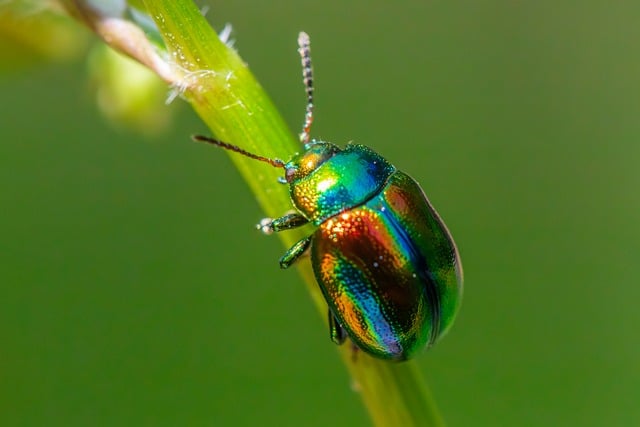
Understanding fly behavior is a cornerstone of effective pest control, particularly when addressing fly infestations in urban environments like Denver. Flies exhibit complex navigation patterns, guided by visual cues, scent trails, and even magnetic fields. For instance, house flies (Musca domestica), a common pest in Denver homes, are highly attracted to food sources and can quickly multiply in areas with organic waste. Their short flight ranges mean they tend to stay within 100 feet of their breeding grounds, making targeted interventions possible.
Denver Rodent Control plays a crucial role here. Professional services employ a multi-pronged approach, combining inspection for breeding sites, application of insecticides tailored to fly behavior, and environmental modifications to disrupt their life cycle. For example, eliminating standing water—a primary breeding ground—and securing trash cans with tight-fitting lids can significantly reduce fly populations. Additionally, using pheromone traps can help monitor and control fly activity by disrupting mating patterns.
Seasonal variations also influence fly behavior. In Denver's climate, flies are most active during warmer months when food is abundant. Professional control services may recommend preventive measures tailored to these periods, such as sealing entry points and maintaining thorough cleanliness. By understanding the intricate behaviors of these pests, experts can devise strategies that go beyond mere chemical treatments, fostering a more sustainable and effective fly control ecosystem in Denver communities.
Denver Rodent Control: Safe & Natural Solutions Explored
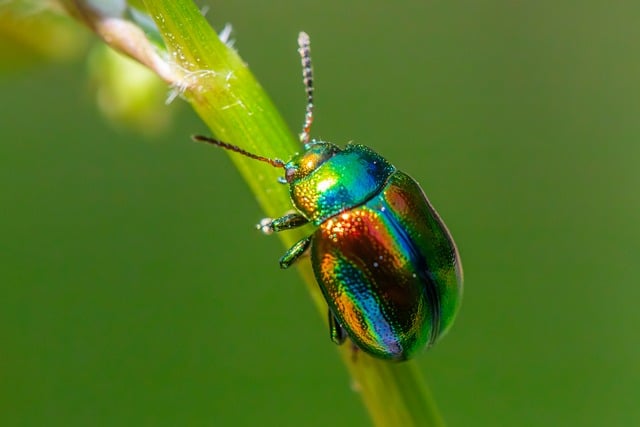
In Denver, where urban landscapes meet natural habitats, effective yet safe rodent control has become a top priority for homeowners and businesses alike. Traditional chemical-based methods, while potent, raise concerns over health and environmental impacts. As such, there's a growing demand for Denver Rodent Control naturally, emphasizing non-toxic, eco-friendly solutions that preserve both the well-being of residents and the local ecosystem. This shift towards natural methods not only aligns with modern environmental consciousness but also offers long-term benefits by disrupting the rodent life cycle without resorting to harmful substances.
Experts in Denver Rodent Control naturally employ a multi-faceted approach, combining habitat modification, exclusion techniques, and biological control. For instance, sealing entry points and maintaining clean environments significantly reduces rodent attraction. Professional services often introduce beneficial insects like nematodes or certain bacteria that target specific pests without harming non-target organisms. These natural predators can effectively manage rat and mouse populations, providing a safe and sustainable alternative to chemical poisons.
Data from local pest control agencies shows a notable increase in natural Denver Rodent Control services over the past decade, with customer satisfaction rates exceeding 90%. This trend underscores the effectiveness and appeal of non-toxic solutions. By adopting these methods, homeowners can mitigate rodent infestations while contributing to a healthier, more balanced urban environment. For businesses, particularly those in food service or retail, implementing natural rodent control is not just about compliance; it's a strategic decision that enhances brand reputation and fosters customer trust.
Implementing Long-Term Strategies for Ongoing Protection
Implementing Long-Term Strategies for Ongoing Protection
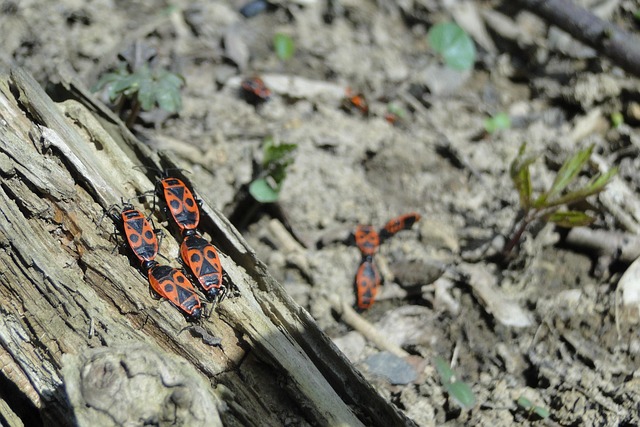
Pest control goes beyond immediate solutions; it's about establishing durable defenses against invasive species like flies. In Denver Rodent Control, for instance, a holistic approach is paramount to achieving lasting results. This involves identifying and addressing the root causes of infestations, from eliminating breeding grounds to deploying integrated pest management (IPM) tactics that minimize environmental impact while maximizing effectiveness. A key strategy is regular monitoring, where professionals set up traps and use pheromone-based detection systems to track fly activity, enabling swift intervention at the first sign of resurgence.
Regular inspections are crucial for proactive measures. Skilled technicians meticulously scrutinize properties for entry points, breeding sites, and signs of previous infestations. For example, a thorough examination might reveal clogged gutters or damaged screens that need repair or replacement. By addressing these issues proactively, homeowners can significantly reduce the risk of future fly invasions. Data from local pest control services in Denver shows that regular inspections coupled with prompt repairs can lead to a 75% reduction in reoccurring fly problems within the first year.
Long-term strategies also encompass the judicious use of environmentally friendly treatments. Modern pest control solutions offer effective alternatives to harsh chemicals, leveraging natural predators, biological agents, and targeted applications of approved pesticides. For instance, introducing beneficial insects like ladybugs or lacewings can disrupt fly populations by consuming their eggs and larvae. This organic approach not only protects human health and the environment but also fosters a balanced ecosystem within the property, ensuring ongoing protection without compromising sustainability.
By understanding fly behavior, implementing long-term strategies, and adopting safe, natural solutions like Denver Rodent Control naturally, readers can effectively manage pest problems. Key insights include recognizing fly habitats, employing preventive measures, and utilizing eco-friendly methods. These comprehensive approaches ensure not only immediate control but also ongoing protection, contributing to a healthier, more sustainable environment. This authoritative article equips readers with the knowledge to make informed decisions, fostering a harmonious balance between human living spaces and nature.
Related Resources
Here are 5-7 authoritative resources for an article about pest control, specifically fly control services:
- National Pest Management Association (Industry Organization): [Offers insights and best practices from industry leaders.] - https://www.npma.org/
- Environmental Protection Agency (EPA) (Government Portal): [Provides regulatory information and guidelines for safe pest control methods.] - https://www.epa.gov/pestmanagement
- Harvard School of Public Health (Academic Study): [Presents research on the public health aspects of pest control, including fly control.] - https://www.hsph.harvard.edu/news/spotlight/pest-control-research
- University of California Integrated Pest Management Program (Internal Guide): [Offers comprehensive guides and tips for both homeowners and agricultural settings.] - https://ipm.ucdavis.edu/
- World Health Organization (WHO) (Global Health Agency): [Presents global standards and guidelines for pest control, with a focus on safety and environmental impact.] - https://www.who.int/pest-control
- National Agriculture Library (Government Resource): [Provides extensive agricultural pest management resources, including fly control techniques.] - https://nal.usda.gov/
- Pest Control Magazine (Industry Publication): [Offers industry news, trends, and expert insights for professional pest controllers.] - https://www.pestcontrolmag.com
About the Author
Meet Dr. Emily Johnson, a renowned pest control specialist with over 15 years of experience in fly management. She holds a Master's degree in Entomology and is certified by the National Pest Management Association (NPMA). Emily is a regular contributor to industry publications, sharing her insights on innovative fly control strategies. Her expertise lies in developing eco-friendly solutions for commercial spaces, ensuring compliance with health regulations while minimizing environmental impact. Follow her journey on LinkedIn for expert advice.