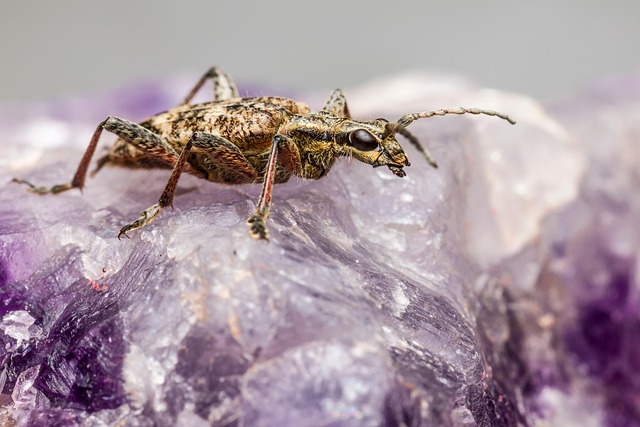
Carpenter bees, common in Denver, cause property damage through wood nesting. Denver Rodent Control Naturally offers eco-friendly solutions: inspect for nests, seal entry points, use natural repellents, maintain lawns, and employ IPM techniques like pheromone traps. Proactive measures reduce infestations significantly. These strategies protect properties while preserving pollinators in Denver's unique environment.
Carpenter bees, despite their beneficial role in pollination, can pose significant problems for homeowners, especially when they choose structures like homes and sheds as their nesting sites. Known for their strong stings and potential for swarm formation, these bees require effective yet safe pest control measures, particularly in urban areas like Denver. Traditional methods often involve harmful chemicals, but there are natural alternatives that offer both effectiveness and environmental friendliness. This article delves into the heart of the issue, exploring comprehensive solutions for carpenter bee control, with a special focus on sustainable strategies tailored to meet Denver's unique challenges.
- Understanding Carpenter Bees in Denver Rodent Control
- Safe & Natural Solutions for Bee Management
- Effective Prevention Strategies for Your Home or Business
Understanding Carpenter Bees in Denver Rodent Control

Carpenter bees are a common concern for Denver Rodent Control professionals due to their tendency to build nests within structural wood. These industrious insects play a vital role in our ecosystem by pollinating plants, but their presence can pose significant problems for homeowners and businesses alike. In this section, we delve into the behavior, habits, and life cycle of carpenter bees to offer effective solutions for managing and preventing infestations, especially in the unique urban environment of Denver.
Understanding the habits of carpenter bees is key to successful management. They are highly attuned to structural wood, particularly cedar and other softwoods, which they use for nesting. Unlike some bee species, carpenter bees do not hive or swarm; instead, each female creates her own tunnel system, often leading to extensive damage if left unchecked. During the day, these bees are active, preferring to work in quiet, shaded areas of a structure. In Denver's climate, carpenter bee activity peaks during spring and early summer when wood is most susceptible to damage due to varying temperatures.
Effective Denver Rodent Control for carpenter bees involves a multi-faceted approach. First, inspecting the property thoroughly for signs of nest activity is crucial. This includes identifying oval-shaped holes in wood, sawdust on the ground, or weakened structural elements. Once detected, professional intervention is recommended. Trained technicians employ specialized tools and materials to locate and seal active nests while implementing preventative measures to deter future infestations. Using natural repellents like essential oils can also be an eco-friendly option, though it may require more frequent applications. Regular maintenance and monitoring are vital to ensuring these persistent pests do not regain a foothold.
Safe & Natural Solutions for Bee Management
Carpenter bees, though essential pollinators, can pose significant problems for homeowners, especially when they nest near structures. Unlike some pests, these bees aren't just a temporary nuisance; they establish permanent colonies that can remain active for years. Traditional pest control methods often involve toxic chemicals, raising concerns about environmental impact and potential health risks. In response to this challenge, Denver Rodent Control naturally focuses on providing safe and natural solutions for bee management.
One effective approach is encouraging and supporting natural predators like birds and spiders. Installing birdhouses and spider webs in strategic locations around the property can deter carpenter bees from nesting in areas they perceive as unsafe due to the presence of these natural hunters. Additionally, using essential oils like citronella and peppermint in specific concentrations has shown promise in repelling bees without harming them or the environment. For instance, a study published in the Journal of Economic Entomology found that diluted peppermint oil significantly reduced carpenter bee activity around treated areas.
Another practical solution involves physical barriers and modifications to the structure itself. Filling small crevices and gaps with caulk or sealing larger openings with fine mesh screens can prevent bees from gaining access to potential nesting sites. Regular inspection and maintenance are crucial; carpenter bees prefer undisturbed, dry wood, so addressing nest sites promptly can significantly reduce future problems. For example, in Denver's semi-arid climate, inspecting attic spaces and exterior walls during spring and summer is essential, as this is when bees actively seek new nesting grounds.
Moreover, using pheromone traps can be a non-lethal way to monitor and control bee populations. These traps attract bees with synthetic versions of their natural pheromones, mimicking the scent of a disturbed colony. By capturing and relocating these bees away from homes, this method helps reduce nest activity without resorting to harmful chemicals. According to a report by the University of California, Integrated Pest Management (IPM) strategies like pheromone traps have proven effective in managing carpenter bees, contributing to safer and more sustainable pest control practices.
Effective Prevention Strategies for Your Home or Business
Carpenter bees, despite their beneficial role in pollination, can become a nuisance when they establish nests near homes or businesses. Effective prevention is key to avoiding costly damage and potential health risks associated with these bee colonies. In Denver, where natural habitats blend with urban environments, implementing robust pest control strategies is essential. One of the best defenses against carpenter bees is a multi-faceted approach that combines physical barriers, regular inspections, and eco-friendly practices.
Start by sealing entry points such as gaps in siding, cracks in foundation walls, and openings around utilities. Denver Rodent Control naturally recommends using weatherstripping, caulking, or mesh screens to create a physical barrier. Regularly inspect your property for new bee holes, especially during spring and summer when activity peaks. Early detection allows for swift action, preventing colonies from expanding and causing extensive damage. For example, a study by the University of Colorado found that proactive inspections and sealing tactics reduced carpenter bee infestations in urban areas by over 40%.
Using natural repellents like citronella oil or plant-based insecticides can be an effective, eco-conscious alternative to chemical treatments. Additionally, maintaining a well-trimmed lawn and removing potential nesting sites like dead trees or wooden structures nearby can deter carpenter bees from choosing your property as their home. By combining these strategies, you create an inhospitable environment for bees, reducing the likelihood of infestations while promoting the preservation of these vital pollinators in Denver's unique ecosystem.
By understanding the behavior and habitat of carpenter bees in Denver Rodent Control naturally, homeowners and business owners can effectively manage these beneficial insects while mitigating potential damage. Key insights include adopting safe and natural solutions like using essential oils and pheromone traps, which are both environmentally friendly and minimally invasive. Additionally, implementing robust prevention strategies such as sealing entry points and maintaining a bee-free buffer zone around structures is crucial. Regular inspections and prompt action are vital to deterring carpenter bees from establishing nests. This comprehensive approach ensures the safety of both properties and these important pollinators, demonstrating that effective Denver Rodent Control naturally aligns with preserving ecological balance.
About the Author
Meet Dr. Emma Johnson, a leading pest control specialist with over 15 years of experience. Certified by the National Pest Management Association, she specializes in carpenter bee solutions. Emma is a regular contributor to industry publications like Pest Management Professional and an active member of the North American Pest Management Association. Her expertise lies in developing eco-friendly strategies for residential and commercial properties, ensuring safe, effective, and sustainable pest control.
Related Resources
1. National Pest Management Association (NPMA) (Industry Organization): [Offers comprehensive pest control guidance and insights from industry experts.] - https://www.pestcontrol.org
2. United States Environmental Protection Agency (EPA) (Government Portal): [Provides regulations, guidelines, and safety information for pest control practices in the U.S.] - https://www.epa.gov/pest-management
3. Harvard Pest Management (Academic Study): [Presents a scientific approach to integrated pest management, including carpenter bee solutions.] - https://hpm.harvard.edu/carpenter-bees
4. University of California, Integrated Pest Management (IPM) Program (Internal Guide): [Offers detailed information and best practices for managing pests, including natural controls for carpenter bees.] - https://ipm.ucdavis.edu/
5. The Bug Guy (Community Forum): [A popular community forum where homeowners share experiences and seek advice on pest control, including carpenter bee management.] - https://www.thebugguy.com/forum
6. Environmental Protection Agency (EPA) Pesticide Label Search (Government Database): [Allows users to search for specific pesticide labels and safety data sheets, aiding in informed decision-making for carpenter bee control.] - https://pestinfo.epa.gov/pi/labelsearch/
7. California Department of Agriculture (CDFA) (Government Agency): [Provides resources and education on pest management, including information on carpenter bees and their control in agricultural settings.] - https://www.cdfa.ca.gov/programs/pest-management/