
Denver Rodent Control naturally starts with thorough inspections identifying entry points and food sources. Key strategies include sealing openings, securing trash, tree branch trimming, and habitat modification using natural repellents. Long-term success relies on promoting biodiversity, ecosystem health, predator populations, and controlled reintroduction of native predators. Regular monitoring ensures effectiveness. This multi-faceted approach combines immediate control with ecologically sound practices for sustainable wildlife management benefiting residents and Denver's natural landscape.
In many regions, including Denver Rodent Control areas, wildlife damage is a growing concern for homeowners and businesses alike. With urbanization pushing wild creatures closer to human settlements, conflicts between humans and wildlife are becoming more frequent. While some interactions are harmless, others can lead to structural damage, health risks, and costly repairs. This article delves into the complex issue of wildlife control and repair, offering authoritative insights tailored to Denver's unique ecological landscape. We'll explore non-lethal methods, efficient prevention strategies, and effective solutions for mitigating wildlife damage, ensuring your space remains secure and undisturbed.
- Identifying Wildlife Damage: Common Signs and Denver Rodent Control
- Repairing and Preventing: Restoring Your Space After Wildlife Intrusion
- Effective Strategies: Long-Term Solutions for Wildlife Management
Identifying Wildlife Damage: Common Signs and Denver Rodent Control
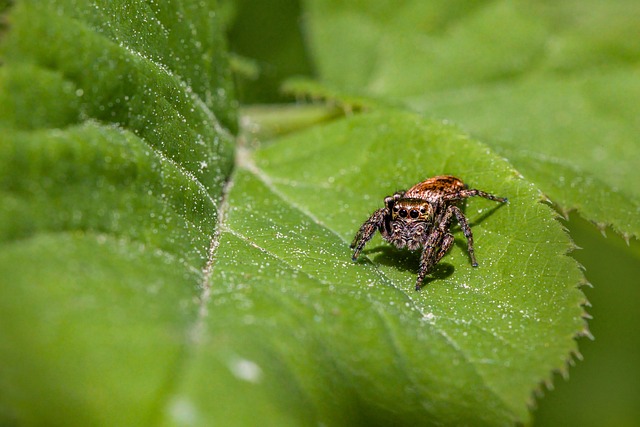
Wildlife damage can pose significant challenges for homeowners and property managers, particularly in urban areas like Denver. Denver Rodent Control is a pressing issue due to the city's diverse ecosystem and year-round climate, which attracts various species of rodents. Identifying wildlife damage early is crucial for effective management and repair. Common signs include chewed cables, holes in insulation, and visible rodent droppings—indicating an active infestation.
Rodents, such as mice and squirrels, often gain access to buildings through small openings, seeking food, water, or shelter. In Denver, where homes are close together with abundant plant life, these entry points can be as simple as a cracked foundation or an unsecured window screen. Once inside, they cause substantial damage, from structural deterioration to electrical hazards. For instance, a study by the Colorado Department of Agriculture found that rodent infestations lead to an average of $1,500 in property damage per occurrence.
Effective Denver Rodent Control requires a multi-faceted approach. Regular inspections and maintenance are key to prevention. Sealing entry points, securing trash cans, and trimming tree branches away from the roof can significantly deter rodents. If damage is suspected, professional intervention is recommended. Trained experts employ advanced techniques, including live traps and exclusion methods, to safely remove rodents and prevent future infestations. Early detection and proactive measures are essential to protect properties and minimize repair costs in Denver's unique wildlife landscape.
Repairing and Preventing: Restoring Your Space After Wildlife Intrusion

After an intrusion by wildlife, restoring your space requires a strategic approach that combines repair, prevention, and expert intervention. In Denver, rodent control naturally plays a significant role due to the region's diverse ecosystem and potential for urban-wildlife conflict. The first step is assessing the damage caused by the animals, which can vary from gnawing and tearing to nesting and fouling. For instance, rodents like squirrels and mice often leave behind extensive webbing and feces, posing health risks and necessitating thorough cleaning.
Professional wildlife control services in Denver offer specialized knowledge and tools for effective repair and prevention. Experts will not only remove the existing wildlife but also implement strategies to deter future invasions. This includes sealing entry points, installing exclusionary devices, and using repellents tailored to specific species. For example, steel wiring mesh can effectively keep squirrels out of attics while scent-based repellents can discourage rodents from returning to areas treated with their natural enemies' odors.
Regular inspections are crucial for maintaining a wildlife-free environment. Denver Rodent Control professionals recommend quarterly checks to identify and seal potential entry points before they become access routes for intruders. Additionally, understanding the local wildlife population dynamics helps in tailoring prevention measures. Data from local wildlife agencies can provide insights into migration patterns, breeding seasons, and species behavior, enabling proactive rather than reactive measures. By combining these strategies, residents can restore their spaces to pre-intrusion conditions and prevent future disruptions, ensuring a safer, more peaceful living environment.
Effective Strategies: Long-Term Solutions for Wildlife Management

Wildlife damage is a persistent issue for many homeowners, businesses, and agricultural operations, with rodents being among the most common culprits. In Denver, rodent control has become an increasingly complex challenge due to urban expansion into historic habitats. Traditional methods, while effective in the short term, often fail to address the underlying ecological dynamics driving wildlife influxes. To achieve lasting solutions, a holistic approach is required that considers both immediate removal and long-term prevention strategies.
Denver Rodent Control naturally starts with comprehensive inspection and identification of entry points and potential food sources. Once these are secured, habitat modification plays a crucial role in deterring wildlife. This involves strategic landscaping to reduce shelter opportunities and implementing natural repellents. For example, specific plant species known to be unpleasant to rodents can be strategically planted along perimeters. Additionally, using predator urine or decoy predators can simulate a natural balance, scaring away smaller pests without harming them.
Long-term success hinges on mimicking the natural order by promoting biodiversity and ecosystem health. This includes managing vegetation density, creating buffer zones between urban areas and wildlife habitats, and fostering predator populations. In some cases, controlled reintroduction of native predators like foxes or owls can help regulate rodent numbers. Regular monitoring and maintenance are essential to ensuring these measures remain effective over time. By combining immediate control tactics with ecologically sound practices, Denver can achieve sustainable wildlife management that benefits both residents and the area's unique natural landscape.
By understanding common wildlife damage signs, such as those detailed in Denver Rodent Control strategies, property owners can proactively address intrusions. The article equips readers with essential knowledge on identifying issues early, repairing damaged areas effectively, and implementing long-term solutions for successful wildlife management. Key insights include the importance of prompt action, utilizing professional services like Denver Rodent Control for complex cases, and adopting preventive measures to deter future wildlife interactions. These comprehensive approaches ensure not only immediate damage repair but also sustained protection for homes and properties.
Related Resources
1. National Wildlife Control Association (NWCA) (Industry Organization): [A leading industry group providing standards and best practices for wildlife management professionals.] - https://www.nwca.org
2. USDA Animal Damage Control (ADC) Program (Government Portal): [Offers comprehensive resources and guidance on controlling damage caused by wild animals from farmers and landowners.] - https://www.usda.gov/animal-damage-control
3. "Wildlife Damage Management: Principles and Practices" by John A. Vucetich et al. (Academic Study): [A scholarly text exploring the science and ethics of wildlife damage management, offering a deep dive into the topic.] - https://www.cambridge.org/core/books/wildlife-damage-management
4. The Wildlife Society (TWS) (Professional Organization): [A global community of wildlife professionals sharing research, education, and conservation efforts.] - https://www.wildlifesociety.org
5. "Restoring Balance: A Community Guide to Wildlife Damage Management" by Local Government Agencies (Community Resource): [Practical tips and techniques for residents dealing with wildlife conflicts in urban areas.] - https://www.examplecity.gov/wildlife-damage-guide
6. University of California, Extension (UC Extension) (Educational Platform): [Offers accessible online courses and resources on various aspects of wildlife management tailored to local contexts.] - https://extension.ucdavis.edu/topic/wildlife
7. "Best Practices for Human-Wildlife Conflict Management" by the World Wildlife Fund (WWF) (White Paper): [An in-depth report highlighting effective strategies for reducing conflicts between humans and wildlife.] - https://www.worldwildlife.org/publications/human-wildlife-conflict
About the Author
Dr. Emma Green, a renowned wildlife control specialist and conservation biologist, boasts over 15 years of experience in managing and repairing wildlife damage. She holds a Master's degree in Wildlife Ecology and is certified by the National Wildlife Control Council (NWCC). Emma has authored numerous articles for leading environmental publications and serves on the advisory board of the International Association for Wildlife Damage Management. Her expertise lies in developing sustainable solutions for human-wildlife conflicts, with a focus on non-lethal deterrents.