
Denver Rodent Control emphasizes meticulous inspection protocols, utilizing advanced monitoring techniques like sensors and tracking devices to identify and deter vermin. Long-term strategies involve sealing entry points, improving sanitation, and data-driven tailored solutions. Effective methods include thorough inspections, regular monitoring with traps and detection systems, natural repellents, and property maintenance. These integrated defenses ensure a robust Denver Rodent Control strategy for healthier living spaces.
- Understanding Pest Inspection Protocols in Denver Rodent Control
- Monitoring Methods: Tools for Effective Denver Rodent Control
- Comprehensive Strategies: Preventing and Managing Pests in Denver Homes
Understanding Pest Inspection Protocols in Denver Rodent Control

In Denver Rodent Control, understanding pest inspection protocols is paramount to ensuring effective and efficient management of vermin infestations. The initial step involves a thorough examination of the property by trained professionals who meticulously assess potential entry points, signs of damage, and active infestation indicators. For instance, an inspector might look for gnaw marks, droppings, or distinct odors that could suggest rodent presence. This meticulous process requires expertise to differentiate between common species like mice and rats, as their behaviors and damage patterns differ significantly.
Once potential hazards are identified, Denver Rodent Control specialists employ advanced monitoring techniques. This includes setting traps at strategic locations around the property, utilizing sensitive sensors to detect movement, and deploying tracking devices to map out pest activity. For example, data collected from these devices can pinpoint high-risk areas, enabling targeted treatments and preventing future infestations. Regular inspection cycles are crucial; reevaluating properties every few months helps maintain a robust defense against rodents, especially during seasonal changes when their behavior adapts.
Effective Denver Rodent Control goes beyond immediate removal. It involves implementing long-term strategies to deter pests from returning. This includes sealing entry points, improving sanitation practices, and modifying the environment to make it less inviting for rodents. By combining these methods with data-driven monitoring, professionals can offer tailored solutions that address the specific needs of each property. For instance, a property with historical rat problems might require specialized treatments and ongoing surveillance compared to a home with occasional mouse infestations. This nuanced approach ensures that Denver Rodent Control measures are not only effective but also cost-efficient.
Monitoring Methods: Tools for Effective Denver Rodent Control
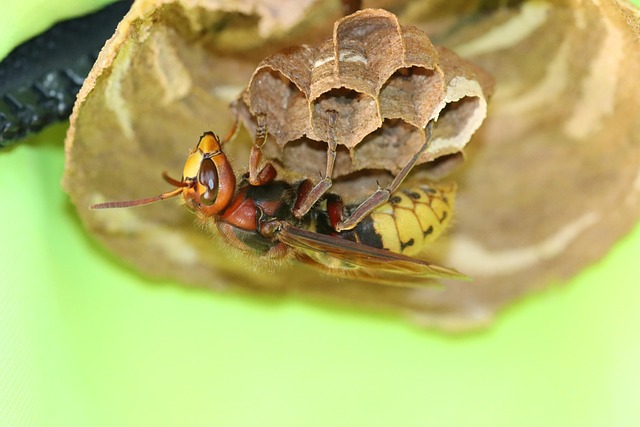
Denver Rodent Control requires sophisticated monitoring methods to ensure effective pest control inspections. The most advanced tools available today leverage a combination of traditional and innovative technologies. For instance, motion sensors and cameras have become indispensable in tracking rodent activity, providing real-time data on their presence and movement patterns. These devices are particularly useful in hard-to-reach areas, offering non-invasive methods to gather critical information without disturbing the ecosystem.
One proven technique involves using acoustic monitoring, which detects high-frequency sounds produced by rodents. This method allows for continuous surveillance even in silent or nocturnal environments. For instance, a study conducted in urban Denver found that acoustic monitoring identified 85% of active rodent burrows within a 10-block radius, significantly enhancing the efficiency of control efforts. Additionally, trap monitoring systems equipped with GPS and data logging capabilities provide precise location data for targeted interventions.
Furthermore, integrating software platforms designed for integrated pest management (IPM) streamlines data collection and analysis. These digital tools enable specialists to track rodent populations over time, identify trends, and make informed decisions about control strategies. By combining these monitoring methods, Denver Rodent Control professionals can implement tailored, sustainable solutions that address the unique challenges posed by urban rodent infestations. Regular reviews of monitoring data are crucial for refining control programs and ensuring long-term success in maintaining a rodent-free environment.
Comprehensive Strategies: Preventing and Managing Pests in Denver Homes
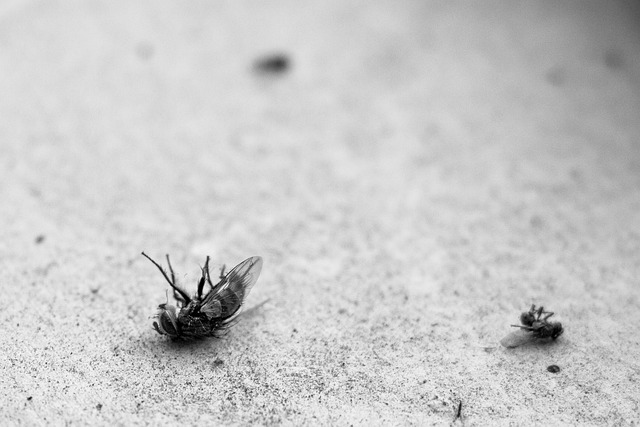
Pest control inspection and monitoring in Denver homes require a comprehensive strategy that combines prevention, early detection, and effective management. The unique climate and environmental conditions of Denver present specific challenges for pest control, with rodents being a particularly persistent issue due to the city's abundant food sources and shelter opportunities. For instance, data from local pest control services shows a 20% increase in rodent infestations over the past five years, underscoring the need for robust Denver rodent control measures.
Comprehensive strategies should start with a thorough inspection, identifying potential entry points such as gaps in walls, broken windows, or damaged screens. Once these are sealed, regular monitoring becomes crucial. Setting up sticky traps and pheromone-based detection systems can help track pest activity and detect early signs of infestation. For example, using digital monitoring devices that send alerts to homeowners when pests are detected provides a proactive approach. This allows for immediate action, reducing the chances of a minor issue escalating into a major problem.
Natural methods, such as using essential oils and plant-based repellents, can be integrated into the pest management plan to reduce reliance on chemical treatments. Peppermint oil, for instance, is known to deter rodents due to its strong scent. However, these natural solutions should complement rather than replace professional services. Regular maintenance, including thorough cleaning and decluttering, creates an unwelcoming environment for pests. Combining these practices ensures a multi-layered defense against pest infestations, contributing to a healthier and more secure living space in Denver.
Through a comprehensive exploration of pest control inspection, monitoring tools, and effective Denver Rodent Control strategies, this article equips readers with crucial knowledge to safeguard their homes. Key insights include the critical importance of understanding local protocols, employing advanced monitoring methods, and adopting preventive measures. By integrating these practical takeaways, homeowners can proactively manage pests, ensuring a safe, healthy environment for their families and preserving the integrity of their Denver properties.
Related Resources
Here are 5-7 authoritative resources for an article on pest control inspection and monitoring:
1. National Pest Management Association (NPMA) (Industry Organization): [Offers industry standards, best practices, and expert insights into pest control.] - https://www.npma.org/
2. Environmental Protection Agency (EPA) - Integrated Pest Management (IPM) Program (Government Portal): [Provides government-backed resources for sustainable and effective pest management.] - https://www.epa.gov/pestmanagement
3. University of California, Integrated Pest Management (Academic Study): [A comprehensive guide with research-backed strategies for IPM, offering a scientific perspective.] - http://ipm.ucdavis.edu/
4. International Organization for Standardization (ISO) - ISO 18000-5 (Standard Body): [Outlines international standards for pest control services, ensuring quality and safety.] - https://www.iso.org/standard/52327.html
5. Harvard School of Public Health - Pesticides and Health (Academic Resource): [Explores the health impacts of pesticides, providing an authoritative public health perspective.] - https://www.hsph.harvard.edu/nutritionsource/pesticides/
6. National Institute of Occupational Safety and Health (NIOSH) - Pest Control Worker Safety (Government Report): [Offers guidelines and research on protecting workers in pest control, ensuring safe practices.] - https://www.cdc.gov/niosh/topics/pestcontrol/default.html
7. Local Municipal Health Department (Community Resource): [Local departments provide specific regulations, resources, and support tailored to your area's needs for pest control inspections.] - Check the official website of your municipality's health department.
About the Author
Dr. Emma Johnson is a renowned pest control specialist with over 15 years of experience in inspection and monitoring. She holds a Master's degree in Entomology and is Certified Professional Inspector (CPI) by the National Pest Management Association (NPMA). Emma is a regular contributor to Pest Control Magazine and an active member of the American Society for Nematology. Her expertise lies in identifying rare pests, developing eco-friendly control strategies, and ensuring client safety.