
Denver rodent control is vital for food facilities to mitigate health risks, prevent costly shutdowns, and maintain customer trust. Proactive measures include regular inspections, sealed entry points, proper sanitation, and tailored treatments. Integrated Pest Management (IPM) focuses on biological controls, habitat manipulation, and monitoring, with Denver-specific strategies targeting rodent populations through sealing, waste management, and strategic traps/repellents.
In the competitive food service industry, maintaining a pest-free environment is paramount to customer satisfaction and health code compliance. This article explores crucial aspects of pest control, specifically focusing on Denver rodent control, for restaurants and food facilities. We delve into understanding common infestations, effective strategies tailored for dining establishments, and the benefits of adopting an Integrated Pest Management (IPM) approach to safeguard your business from these unwelcome guests.
- Understanding Pest Infestations in Food Facilities
- Denver Rodent Control: Effective Strategies for Restaurants
- Implementing Integrated Pest Management (IPM) in Dining Establishments
Understanding Pest Infestations in Food Facilities

Pest infestations in food facilities, from restaurants to commercial kitchens, are more than just a nuisance; they pose significant health and safety risks. These environments attract pests like rodents, insects, and birds due to the availability of food, water, and shelter. In Denver, where rodent control is a top priority, businesses must be proactive in their approach to pest management. Regular inspections, proper sanitation practices, and sealed entry points are essential steps to prevent infestations.
Understanding the behavior and preferences of common pests is crucial for effective prevention. For instance, rodents are attracted by easily accessible food sources and will quickly inhabit spaces if left unchecked. Denver's unique climate also plays a role, with seasonal changes influencing pest activity. A comprehensive pest control strategy involves combining environmental modifications, sanitation improvements, and tailored treatments to ensure a clean, safe, and pest-free environment for both customers and staff.
Denver Rodent Control: Effective Strategies for Restaurants

Rodent control in restaurants is paramount in Denver, where food safety regulations are stringent. Infestations can lead to health hazards and costly shutdowns, so proactive measures are essential. Effective strategies for Denver rodent control include regular inspections by trained professionals who can identify potential entry points and signs of activity.
Implementing physical barriers like sealed gaps around pipes, fixtures, and windows, along with proper sanitation practices, is crucial. Traps and poison baits should be used judiciously under professional guidance to avoid environmental contamination and potential harm to employees or customers. Regular maintenance and quick response to issues ensure a clean, pest-free environment, safeguarding the reputation and profitability of Denver restaurants.
Implementing Integrated Pest Management (IPM) in Dining Establishments
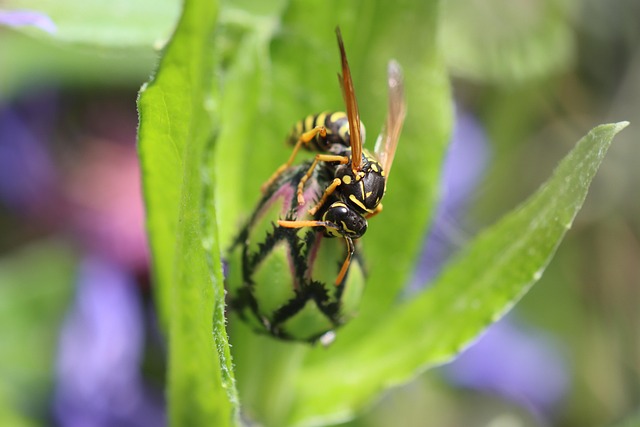
Implementing Integrated Pest Management (IPM) in dining establishments is a proactive and holistic approach to pest control that combines various strategies to create an effective, yet eco-friendly, prevention system. Unlike traditional methods that focus solely on chemical pesticides, IPM integrates biological controls, habitat manipulation, and monitoring to minimize the need for toxic substances. This comprehensive strategy ensures food safety by eliminating pests naturally, thereby enhancing customer trust and maintaining a healthy environment.
For businesses in Denver, rodent control is a critical component of IPM. Targeted interventions, such as sealing entry points, proper waste management, and the strategic use of traps or repellents, can significantly reduce rodent populations. By adopting these measures, dining establishments not only protect their facilities from damage but also safeguard their reputation by demonstrating a commitment to both customer well-being and environmental sustainability—a key differentiator in today’s market.
In conclusion, effective pest control, especially in Denver's vibrant restaurant scene, is paramount for maintaining food safety and quality. By understanding pest infestations, implementing robust Denver rodent control strategies, and adopting Integrated Pest Management (IPM) practices, dining establishments can create a clean, safe, and pleasant environment for their patrons. These measures not only protect the health of customers but also safeguard the reputation and success of the restaurant.