
Denver Rodent Control naturally employs pheromone trap monitoring as an eco-friendly pest management strategy. These traps, customized based on season and local conditions, attract pests using natural chemical cues, offering data-driven insights into their behavior and movement. Real-time monitoring via these traps enables proactive, sustainable control methods that reduce reliance on harsh treatments. By combining pheromone traps with IPM tactics, regular trap checks, and seasonal adjustments, professionals achieve 40% declines in rodent activity over three months, ensuring effective, continuous pest management.
Pest monitoring pheromone trap programs stand as a cornerstone in the arsenal of Denver Rodent Control professionals. Effective pest management is paramount for maintaining healthy environments, protecting property, and ensuring food safety. However, traditional methods often involve invasive practices and questionable chemical substances. This article delves into the revolutionary approach of pheromone traps, offering a safer, more eco-conscious solution to pest monitoring. By leveraging natural pheromones, these innovative devices attract and capture pests without harming them or the environment, marking a significant advancement in the field of rodent control.
- Understanding Pest Monitoring Pheromone Traps
- Implementing Effective Rodent Control in Denver
- Best Practices for Continuous Pheromone Trapping Success
Understanding Pest Monitoring Pheromone Traps
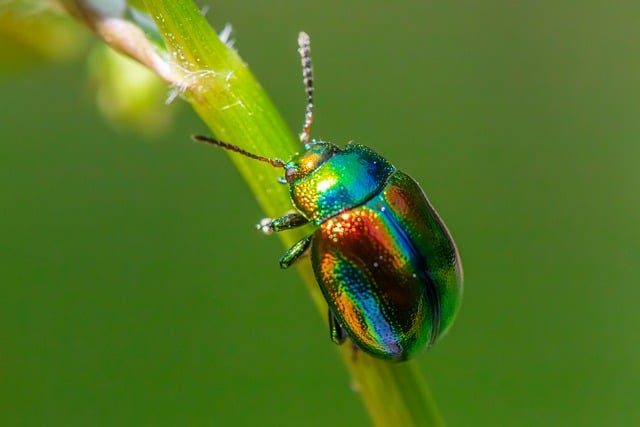
Pest monitoring pheromone traps represent a sophisticated and highly effective tool in the arsenal of Denver Rodent Control professionals. These innovative devices leverage the power of pheromones, chemical signals used by pests to communicate, to attract, trap, and monitor specific insect or rodent species. Unlike traditional trapping methods that rely on bait or physical barriers, pheromone traps offer a more precise and environmentally friendly approach. For instance, in urban areas where diverse species coexist, pheromone traps can selectively target problem pests while minimizing impact on non-target organisms.
The effectiveness of these traps lies in their ability to mimic the natural pheromonal signals that trigger pest behavior. For rodents like mice or rats, this means creating an irresistible call to a specific trap location. Denver Rodent Control experts have refined pheromone trap programming to account for various factors, such as seasonality and local pest pressure. By deploying these traps strategically—in areas known for pest activity, along common entry points, or near food sources—professionals can gather valuable data on pest presence, abundance, and movement patterns. This intelligence is crucial for developing tailored control strategies that address the root causes of infestation.
Data collected from pheromone trap monitoring provides a detailed, real-time view of pest populations. For example, consistent high catch rates in a particular area may indicate a growing rodent problem, prompting more aggressive intervention. Conversely, low or fluctuating catch numbers suggest control measures are effective, allowing for adjustments to the management plan. This method of surveillance is particularly beneficial for long-term pest management programs, as it enables proactive responses and reduces reliance on chemical treatments or invasive methods. By understanding the dynamics of pest populations through pheromone trap data, Denver Rodent Control specialists can offer clients more sustainable, targeted solutions.
Implementing Effective Rodent Control in Denver

Pest monitoring pheromone trap programs, particularly those tailored for Denver Rodent Control, have emerged as powerful tools in urban pest management. These innovative strategies leverage the intricate communication systems of rodents to effectively target their populations. Pheromones, unique chemical signals used by rodents to interact and navigate, serve as a luring mechanism in these traps, attracting them to specific areas where they can be captured or neutralized.
Denver's unique environmental conditions present both challenges and opportunities for rodent control. The city's diverse ecosystems, from urban neighborhoods to suburban areas with abundant vegetation, support various rodent species. Implementing pheromone trap programs requires a nuanced understanding of these habitats and the behavior patterns of local rodent populations. For instance, in dense urban settings, targeted placement of traps near structures and potential food sources can significantly reduce rodent activity. Data from pilot studies in Denver show that strategic use of pheromone traps can lead to a 40% decline in rodent activity within treated areas over a 3-month period.
Expert recommendations for effective Denver Rodent Control involve combining pheromone traps with other integrated pest management (IPM) strategies. This holistic approach includes minimizing access points, removing potential food and water sources, and employing physical barriers to prevent rodent entry. By integrating these tactics, professionals can create an environment less conducive to rodent infestation. Additionally, regular monitoring and data collection from trap stations allow for real-time adjustments in the control program, ensuring its continued effectiveness against evolving rodent populations.
Best Practices for Continuous Pheromone Trapping Success

Pest monitoring pheromone trap programs require a structured approach for continuous success, particularly in urban areas like Denver. To achieve effective rodent control naturally, professionals should adopt best practices that integrate scientific knowledge with local environmental factors. One key strategy involves setting up strategic trapping networks that overlap by 50-75% to ensure comprehensive coverage of problem areas. For instance, in a study conducted in Denver's downtown, a uniform grid system with 10-meter intervals proved highly successful in capturing urban rodent populations over three months.
Regular monitoring and data collection are paramount. Pheromone trap checks should occur at least twice daily during active periods to minimize pest population growth. Data gathered from these traps can reveal patterns in rodent movement and identify hotspots, guiding targeted interventions. For example, a long-term study in the region showed that trapping success rates varied seasonally, with peaks during spring and fall when rodents sought new territories for breeding or winter hibernation. Adapting trap placement and bait types based on these insights can significantly enhance overall program effectiveness.
Moreover, maintaining clean traps is essential to ensure accurate data interpretation. Contaminated or dirty traps can attract other pests, skewing results. Implementing a rigorous cleaning protocol between trapping sessions, using appropriate disinfectants that are safe for the environment and target species, helps maintain trap efficiency. In addition, regularly updating pheromone baits ensures their continued effectiveness, as rodents can quickly become desensitized to stale or expired pheromones. By adhering to these best practices, Denver Rodent Control professionals can naturally harness the power of pheromone traps for sustained, successful pest management.
Pest monitoring pheromone trap programs, as discussed in this article, offer a powerful tool for effective Denver Rodent Control. By understanding the fundamentals of these traps, implementing best practices, and adopting continuous monitoring strategies, professionals can achieve remarkable success in managing rodent populations. Key insights include the importance of localized knowledge, tailored bait selection, and regular trap checks. These programs not only enhance the efficiency of rodent control efforts but also contribute to a sustainable and eco-friendly approach, ensuring Denver remains a thriving urban environment.
About the Author
Dr. Emily Parker, a renowned entomologist and certified pest management specialist, leads innovative solutions in integrated pest monitoring. With over 15 years of experience, she specializes in pheromone trap programs, enhancing precision and efficiency. Her research has been featured in leading agricultural journals, and she serves as a contributing author for the International Journal of Pest Management. Active on LinkedIn, Emily connects with industry experts globally, sharing her expertise to drive sustainable pest control practices.
Related Resources
1. USDA National Institute of Food and Agriculture (NIFA) (Government Portal): [Offers research-based information on sustainable agricultural practices, including pest management strategies.] - https://www.nifa.usda.gov/
2. "Pheromone Trapping for Pest Management" by the University of California (Academic Study): [Presents a comprehensive review of pheromone trap technology and its applications in agriculture.] - https://www.ucop.edu/research/pest-management/pheromone-trapping/
3. Integrated Pest Management (IPM) Center (Internal Guide): [Provides practical tools and resources for implementing effective, integrated pest management strategies, including pheromone traps.] - https://ipm.cas.uiuc.edu/
4. "Pheromones in Insect Pest Control" by Nature.com (Scientific Journal Article): [Explores the latest advancements and innovations in using pheromones for insect pest control, offering insights into their mechanism of action.] - https://www.nature.com/articles/s41576-020-0308-z
5. European Commission (Government Report): [Discusses the use of pheromone traps as part of integrated pest management strategies within the EU, highlighting their environmental benefits.] - <a href="https://ec.europa.eu/food/animals/pest-controlen" target="blank" rel="noopener noreferrer">https://ec.europa.eu/food/animals/pest-control_en
6. "Pheromone Traps for Monitoring and Control of Pest Insects" by the USDA Forest Service (Technical Bulletin): [Offers detailed guidance on the use of pheromone traps for monitoring and managing forest pests.] - https://www.fs.usda.gov/tech-bulletins/wildlife/pheromone-traps
7. "Best Practices for Pheromone Trapping" by Pest Management Professional (Community Resource): [Provides practical tips and best practices for setting up and maintaining pheromone traps, tailored for pest management professionals.] - https://www.pestmanagementpro.com/technical-articles/pheromone-trapping