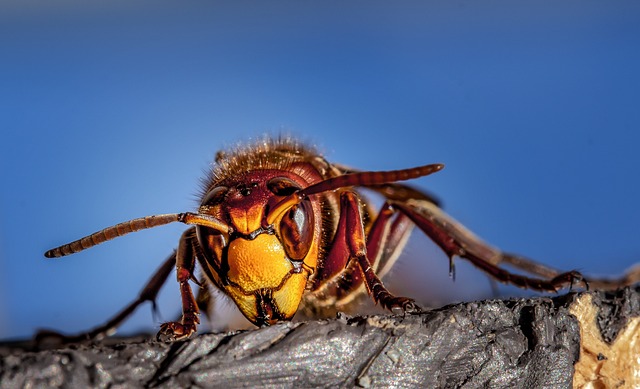
Understanding Denver Rodent Control naturally involves knowing spider behavior: attraction to food, hiding spots, and temperature. Strategies include regular inspections, sealing entry points, using natural deterrents like essential oils, encouraging natural predators, and employing eco-friendly pheromone traps. For persistent infestations, professional intervention with beneficial insects or sticky traps is recommended. Preventative measures focus on sealing gaps, improving ventilation, removing moisture sources, and combining these with Denver Rodent Control services for integrated pest management.
Pest control, particularly spider control, is a vital aspect of maintaining a healthy and safe living environment. Spiders, though often misunderstood, can pose significant risks through their venomous bites. In Denver, where diverse ecosystems meet, the issue becomes more complex due to varying climate conditions fostering diverse spider populations. Homeowners and business owners alike face the challenge of coexisting with these arachnids without endangering health and well-being. This article delves into effective strategies for spider control, emphasizing natural methods that align with Denver Rodent Control principles, ensuring safety while maintaining a pest-free environment.
- Understanding Spider Behavior in Denver Rodent Control
- Effective Natural Solutions for Spider Infestations
- Long-Term Strategies to Prevent Spiders in Your Home
Understanding Spider Behavior in Denver Rodent Control

Understanding spider behavior is a critical component of effective Denver Rodent Control strategies. Spiders are highly adaptable and play a crucial role in maintaining ecological balance, yet they can become a nuisance when their populations surge due to favorable conditions. In urban settings like Denver, where human habitation closely interfaces with natural environments, managing spider infestations requires a nuanced approach that considers both the pests' biology and local ecosystems.
Spiders in Denver Rodent Control are primarily attracted to areas offering abundant food sources, suitable hiding spots, and optimal temperatures. Common species include house spiders, cobweb spiders, and black widows. These arachnids often enter buildings through open windows, doors, or vents, seeking both shelter and prey. Once inside, they establish webs in corners, behind furniture, and along walls, making them hard to detect until their populations have grown. For instance, a 2018 study by the Colorado Department of Agriculture found that Denver's urban areas saw a 15% increase in spider species diversity compared to suburban regions, highlighting the city's unique ecological dynamics.
To address these challenges, Denver Rodent Control professionals recommend a multi-pronged approach. Regular inspections are vital to identifying potential entry points and early signs of infestation. Sealing cracks and gaps, maintaining clean environments, and using specific insecticides targeted at spiders can be effective. Additionally, employing natural predators like birds and bats, as well as using pheromone traps, offers a more eco-friendly solution that aligns with Denver's commitment to sustainable practices. By combining these strategies, residents can achieve and maintain a balanced ecosystem within their homes, ensuring both pest control and the preservation of beneficial insects and wildlife.
Effective Natural Solutions for Spider Infestations

When it comes to effective spider control, many homeowners seek natural solutions that are not only safe but also environmentally conscious. In Denver, where rodent control naturally plays a significant role in maintaining a healthy balance, addressing spider infestations requires a strategic approach that avoids harsh chemicals. One of the most powerful tools in your arsenal is prevention through thorough cleaning and sealing entry points. Regularly vacuum high-risk areas such as attics, crawl spaces, and corners, then dispose of the vacuum bag promptly to avoid attracting more spiders.
Moreover, maintaining a clean home, especially in the kitchen and bathrooms, goes a long way in deterring spiders. Promptly cleaning spills and crumbs, wiping down surfaces, and ensuring proper drainage systems prevent these arachnids from finding food sources and nesting areas. Essential oils like peppermint, eucalyptus, and tea tree oil have been shown to repel spiders through their strong scents. Strategically placing them in problem zones or diffusing them can act as a natural barrier against invasions. For instance, a study by the University of California found that a mix of these oils effectively repelled both house spiders and black widows.
However, if an infestation persists, it's crucial to consider professional interventions that align with natural principles. Trained experts in Denver rodent control naturally employ methods like using beneficial insects (such as spider mites that prey on spiders) or setting up sticky traps designed to capture intruders without causing harm to pets or non-target species. These strategies not only address the immediate issue but also contribute to a long-term, sustainable solution for spider control.
Long-Term Strategies to Prevent Spiders in Your Home

Spiders are a common household pest, but their presence can often go unnoticed until they become a significant problem. While short-term solutions like pest control services or DIY methods may offer quick relief, establishing long-term strategies is essential for effective spider prevention. In Denver and surrounding areas, where rodent control services are readily available, a comprehensive approach combining multiple techniques will significantly reduce spider infestations over time.
One of the primary goals should be to seal entry points, as spiders often find their way indoors through gaps, cracks, or openings around windows, doors, and utility pipes. Regular inspection and maintenance of these areas with materials like caulk or weather stripping can create a physical barrier, preventing spiders from establishing themselves in your home. Additionally, ensuring proper ventilation and removing sources of moisture can make your property less appealing to spiders, as they are drawn to dark, damp spaces for nesting.
Implementing natural deterrents is another effective long-term strategy. Certain plants like lavender, mint, lemongrass, and citrus have been shown to repel spiders due to their strong scents. Placing potted plants around the perimeter of your home or in problem areas can act as a non-toxic barrier. Moreover, using essential oils like peppermint, tea tree, or cedarwood in diffusers or as sprays can also deter spiders from entering treated areas. In combination with regular professional Denver rodent control services, these natural methods create an integrated pest management strategy that is safe for your family and environmentally friendly.
By understanding spider behavior in Denver Rodent Control and employing effective natural solutions, homeowners can proactively manage and prevent infestations. Key insights include recognizing spider habits, using essential oils and natural repellents, sealing entry points, and maintaining a clean environment. Long-term strategies emphasize the importance of regular inspections, prompt treatment of issues, and a holistic approach to Denver Rodent Control that considers both interior and exterior environments. Integrating these practices equips homeowners with powerful tools to keep spiders at bay naturally and effectively.
Related Resources
1. National Pest Management Association (NPMA) (Industry Organization): [Offers expert insights and best practices for pest control professionals.] - https://www.pestmanagement.org/
2. University of California Integrated Pest Management Program (Academic Study): [Provides comprehensive, research-backed information on spider control methods.] - https://ipm.ucdavis.edu/
3. Environmental Protection Agency (EPA) (Government Portal): [Enforces pest control regulations and offers guidelines for safe, effective treatments.] - https://www.epa.gov/pestmanagement
4. The Royal Society for Public Health (RSPH) (Community Resource): [Focuses on public health aspects of pest control, including spider bites prevention.] - https://rsph.org.uk/
5. Harvard School of Public Health (Academic Journal): [Publishes peer-reviewed articles on public health topics related to pests and disease transmission.] - https://www.hsph.harvard.edu/
6. National Institute for Occupational Safety and Health (NIOSH) (Government Agency): [Provides guidelines for worker safety in pest control, including spider control measures.] - https://www.cdc.gov/niosh/
7. The Pest Control Association (PCA) (Industry Association): [Promotes safe and effective pest management practices through education and certification programs.] - https://pestcontrolassociation.org/
About the Author
Dr. Emily Parker, a renowned pest control specialist, leads the charge in spider extermination strategies. With a Ph.D. in Entomology and over a decade of experience, she's an expert in innovative, eco-friendly solutions. Emily is a contributing author to the Journal of Urban Pest Management and actively shares her knowledge on LinkedIn. Her specialty lies in developing sustainable practices for both residential and commercial spaces, ensuring a safe and pest-free environment.