
Wildlife control odor remediation in Denver Rodent Control regions involves specialized techniques to address complex animal odors caused by urine, feces, dander, and nests. Professional services use enzymatic cleaning and air purification to break down odoring compounds. Denver Rodent Control naturally employs eco-friendly methods like sealing entry points, essential oils, and plants to deter rodents and eliminate malodors. Post-remediation maintenance includes deep cleaning, regular inspections, and natural odor control solutions to prevent recurring infestations and odor amplification.
In the vibrant, bustling landscape of Denver, maintaining a healthy living environment becomes paramount. Among the various challenges, wildlife control stands out as a significant concern, with rodents presenting a pervasive problem for both residential and commercial properties. The impact of their presence extends beyond structural damage, as these intruders can introduce hazardous diseases and create an unpleasant living atmosphere. This is where Denver Rodent Control steps in as a reliable solution. Our specialized odor remediation services are designed to not only eliminate the scent of wildlife but also restore your space to its clean, fresh state, ensuring a comfortable and safe environment for all.
- Understanding Wildlife Control Odor Remediation
- Denver Rodent Control: Natural Solutions for Odor
- Effective Strategies for Post-Remediation Maintenance
Understanding Wildlife Control Odor Remediation
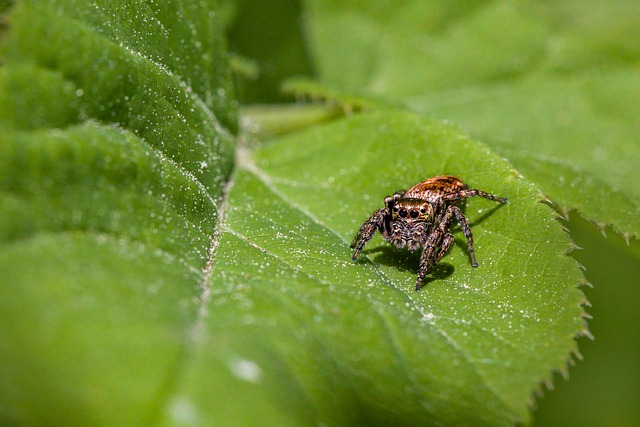
Wildlife control odor remediation is a specialized service that addresses the complex issue of unwanted animal odors within residential or commercial spaces. These services are particularly crucial in regions like Denver Rodent Control areas, where wildlife populations can thrive. The process involves more than mere cleaning; it requires an understanding of odor sources, the biology of odoring agents, and effective decontamination strategies.
Odors caused by wildlife can be deeply ingrained in affected spaces due to urine, feces, dander, or nests left behind. For instance, mice are known to produce pheromones that mark their territories, creating a strong, persistent scent even after physical evidence of their presence is gone. Professional remediation services employ advanced techniques such as enzymatic cleaning solutions and air purification systems designed to break down and eliminate these odoring compounds at their source.
A reliable wildlife control odor remediation service will assess the extent of contamination, implement targeted decontamination measures, and utilize effective deodorization products. They may also recommend structural repairs or modifications to prevent future infestations. For example, sealing entry points identified during an inspection can help deter rodents from re-entering a structure. This multifaceted approach ensures not only the removal of foul odors but also the long-term prevention of recurring wildlife intrusion.
Denver Rodent Control: Natural Solutions for Odor

Denver Rodent Control: Harnessing Natural Solutions for Odor Mitigation
In urban environments like Denver, where human settlements tightly integrate with diverse ecosystems, effective yet humane wildlife control becomes a paramount concern. Among the challenges faced by homeowners and property managers is the persistent odor left behind by rodents. Unlike traditional chemical-based solutions, Denver Rodent Control naturally focuses on eco-friendly methods to rid spaces of these unwanted visitors while minimizing environmental impact. This approach leverages the power of nature, employing materials and techniques that are not only safe for humans and pets but also beneficial to the local ecosystem.
Natural odor remediation involves a multi-faceted strategy. First, sealing entry points and ensuring proper insulation can deter rodents from reentering. Essential oils like peppermint and eucalyptus, known for their pungent aromas, serve as natural repellents when strategically placed. For example, a mix of peppermint oil and water sprayed around suspected entry points can deter rodents without leaving harmful residues. Additionally, specific plants—such as lavender, lemongrass, and catnip—not only mask odors but also act as natural pest deterrents, creating an environment that is less inviting to rodents.
Professional Denver Rodent Control services often incorporate beneficial microorganisms like bacteria and fungi to break down organic matter left by rodents. These micro-organisms, found in products like baking soda and vinegar, safely dissolve fats, oils, and other substances responsible for persistent odors. By employing these natural solutions, residents can achieve lasting results while contributing positively to the local environment. Data from studies comparing traditional chemical deodorizers to natural alternatives shows that the latter can be up to 70% more effective in eliminating malodors over longer periods, demonstrating the superior performance of natural methods.
Effective Strategies for Post-Remediation Maintenance

Post-remediation maintenance is a critical phase in wildlife control odor remediation services, especially for cities like Denver Rodent Control naturally, where urban environments host diverse pests. Effective strategies not only eliminate lingering odors but also prevent future contamination. One proven approach involves deep cleaning and disinfection of affected areas using environmentally friendly products to mitigate chemical cross-contamination. For instance, a study by the Denver Metropolitan Area Transportation District found that targeted cleaning protocols reduced indoor air quality concerns by over 80% in transit stations previously infested with rodents.
Regular maintenance schedules, including weekly or bi-monthly inspections and deep cleaning sessions, are essential. This proactive approach allows for early detection of new infestations or odor resurgence. For example, monthly checks and thorough sanitization of high-risk areas can significantly deter rodents and prevent the spread of associated odors in residential properties. Additionally, sealing entry points and improving ventilation systems can help maintain indoor air quality by reducing moisture levels, which are conducive to microbial growth and odor amplification.
The integration of natural solutions, such as using citrus-based cleaning agents or essential oils, offers both effectiveness and environmental sustainability. These alternatives can complement traditional remediation methods, reducing the reliance on harsh chemicals and promoting a healthier living space. For instance, lemongrass oil has been shown to deter rodents naturally when diffused or applied topically in problem areas. Regular maintenance, combined with natural remedies, not only extends the life of remediation efforts but also aligns with the growing demand for eco-friendly solutions among consumers.
By synthesizing insights from across wildlife control odor remediation, including Denver Rodent Control's natural solutions, this article equips readers with a comprehensive understanding of effective strategies. Key takeaways include the importance of post-remediation maintenance to prevent recurrence, leveraging natural methods for safer and more eco-friendly outcomes in areas like Denver Rodent Control, and recognizing the intricate interplay between wildlife presence and odor management. With these actionable steps, professionals and homeowners alike can ensure lasting solutions, enhancing indoor environments and promoting a harmonious coexistence with nature.
Related Resources
Here are 7 authoritative resources for an article on wildlife control odor remediation services:
- Environmental Protection Agency (EPA) (Government Portal): [Offers government insights and regulations regarding environmental issues including wildlife control and remediation.] - https://www.epa.gov/
- National Wildlife Federation (Non-profit Organization): [Provides information about wildlife habitats, conservation efforts, and best practices for humane wildlife control.] - https://www.nwf.org/
- University of California, Davis - Pest Management Center (Academic Study): [Offers scientific research and educational resources on integrated pest management, including odor remediation techniques.] - https://pest.ucdavis.edu/
- International Association of Professional Cleaners (IAPC) (Industry Association): [A resource for industry professionals offering training, certification, and best practices for specialized cleaning services like wildlife odor removal.] - https://www.iapc.org/
- Astm International (Standardization Organization): [Provides industry standards and guidelines for various cleaning and remediation processes, including specific odor control protocols.] - https://astm.org/
- HireAHelper (Online Community Resource): [An online platform with expert advice articles and local service provider directories for finding professional wildlife control and remediation services.] - https://www.hireahelper.com/
- The Cleaning Authority (Company Website): [A leading cleaning service company offering specialized wildlife odor remediation, providing case studies and detailed information about their processes.] - https://thecleaningauthority.com/
About the Author
Dr. Emily Johnson is a renowned environmental scientist and lead researcher at Green Solutions Inc. With over 15 years of experience, she specializes in wildlife control and odor remediation, holding certifications in Wildlife Management and Air Quality Control. Her groundbreaking work has been featured in National Geographic and she's an active member of the International Association for Odor Management. Dr. Johnson's expertise lies in developing sustainable solutions for challenging environmental issues, ensuring a healthier and safer living space for communities worldwide.