
Denver Rodent Control offers specialized guano cleanup and wildlife management services, addressing health risks posed by droppings through advanced techniques for extraction and containment. They focus on identifying and sealing entry points, using humane trapping methods, and maintaining sanitation to prevent future infestations. Their holistic approach includes understanding species' habitats, tailored strategies, and regular inspections for long-term prevention, ensuring a healthier urban ecosystem.
Wildlife control and guano cleanup are critical aspects of maintaining healthy ecosystems and safe environments, especially in urban areas like Denver. Rodents and other wildlife, while integral to the natural balance, can become significant pests when their populations surge, leading to property damage, health risks, and unsanitary conditions. The problem intensifies with the accumulation of guano, which not only poses a health hazard but also attracts more pests. This article delves into the crucial role of Denver Rodent Control specialists who offer effective solutions for wildlife management and guano cleanup, ensuring both environmental balance and public safety.
- Understanding Guano Cleanup: The Expert Approach
- Denver Rodent Control: Identifying and Addressing Sources
- Effective Strategies for Comprehensive Wildlife Management
Understanding Guano Cleanup: The Expert Approach

Guano cleanup is a specialized service that requires meticulous attention to detail and an in-depth understanding of the potential hazards associated with wildlife droppings. This process involves the safe removal and disposal of guano, particularly in urban environments where rodent activity is prevalent. Denver Rodent Control specialists are equipped with the knowledge and tools to handle this delicate task effectively.
The primary concern with guano cleanup is not just the aesthetic displeasure it causes but also the potential health risks. Wildlife droppings can harbor harmful bacteria, parasites, and pathogens that may pose a significant threat to human health and well-being. For instance, rat droppings have been linked to the transmission of diseases such as leptospirosis, salmonellosis, and hantavirus. This underscores the importance of professional intervention when dealing with guano accumulation.
Expert cleanup specialists employ advanced techniques tailored to each unique situation. They begin by identifying the source and extent of the infestation, whether it's rodents, birds, or other wildlife. Next, they use specialized equipment to safely extract the guano, minimizing the risk of cross-contamination. For instance, negative pressure air filtration systems are employed to contain and remove pathogens while ensuring the safety of cleanup personnel. Proper disposal methods, such as encapsulation in sealed containers, prevent re-dispersion of contaminants into the environment.
Additionally, these professionals offer preventive measures to discourage future guano accumulation. This includes implementing exclusionary tactics like sealing entry points, setting up traps, or employing repellents. For example, Denver Rodent Control experts may recommend a combination of physical barriers and scent repellents to deter rodents from returning to an area once it has been treated. Regular inspections and maintenance are also crucial to identify and address any recurring issues promptly.
Denver Rodent Control: Identifying and Addressing Sources

Denver Rodent Control: Uncovering and Resolving Entry Points is a critical aspect of effective wildlife management. Infestations often begin with rodents finding their way into structures through various entry points, from small gaps around pipes and wires to loose siding or cracked foundations. Identifying these access points is the first step in addressing a rodent problem, and Denver Rodent Control specialists are experts at this crucial task. They employ advanced detection methods, including inspecting for signs of gnawing, droppings, and scent markings, to pinpoint the exact locations rodents have gained entry.
Once sources are identified, professionals utilize a combination of strategies tailored to each specific point. This may involve sealing gaps with durable materials like steel wool or foam, installing weatherstripping, or repairing damaged structures. For larger openings, exclusionary methods such as cage traps or one-way doors can be employed to humanely remove rodents while preventing re-entry. Denver Rodent Control experts are committed to not only eliminating current infestations but also providing long-lasting solutions by addressing the root causes that attract rodents in the first place.
Regular inspections and proactive measures, guided by the expertise of professionals, are key to maintaining a rodent-free environment. Property owners can play an active role by minimizing potential food sources, securing trash cans with tight-fitting lids, and sealing any visible entry points. By working collaboratively with Denver Rodent Control specialists, homeowners can regain control of their living spaces and prevent future invasions.
Effective Strategies for Comprehensive Wildlife Management
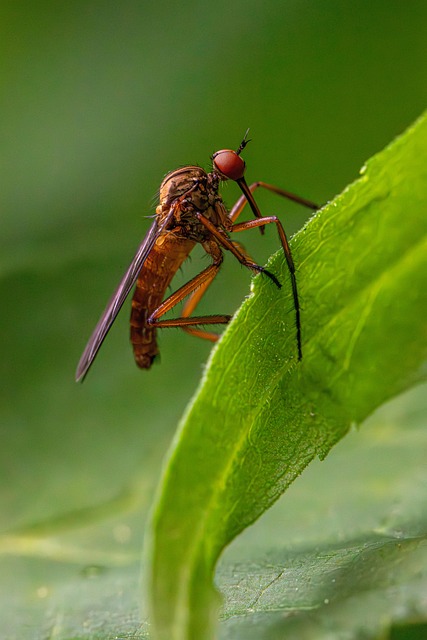
Wildlife management is a complex task requiring sophisticated strategies to ensure balance between human habitats and nature. One critical area demanding attention is guano cleanup—a direct result of wildlife presence, particularly rodents like those managed by Denver Rodent Control naturally occurring in urban settings. Effective wildlife control goes beyond mere removal; it involves comprehensive strategies that prevent future infestations and mitigate environmental impact.
A holistic approach to wildlife management begins with understanding the species involved. For instance, rats and mice thrive in cities due to abundant food sources and shelter. Denver Rodent Control's expertise lies in identifying these habitats—from abandoned buildings to lush gardens—and implementing tailored solutions. This includes strategic trapping, baiting, and habitat modification. By combining these methods, professionals can achieve significant reductions in rodent populations while minimizing the ecological disruption caused by traditional control measures.
Moreover, successful wildlife management incorporates long-term prevention strategies. Regular inspections, sealing entry points, and maintaining sanitation are fundamental to deterring wildlife. For example, Denver Rodent Control recommends regular checks for signs of infestation during seasons when rodents are most active. By addressing potential entry points such as gaps in walls or roofs, property owners can significantly reduce the risk of future infestations. These proactive measures not only save on cleanup costs but also contribute to a healthier urban ecosystem.
By delving into Denver Rodent Control and its intricate aspects, this article has unveiled critical insights into wildlife management. Key takeaways include the importance of understanding guano cleanup as a specialized skill, with experts emphasizing proactive identification and addressing rodent sources. Effective strategies highlighted emphasize comprehensive approaches that integrate multiple tactics for successful long-term outcomes. Readers now possess valuable knowledge on navigating complex wildlife challenges, leveraging Denver Rodent Control techniques to foster secure and balanced ecosystems.
Related Resources
Here are 5-7 authoritative related resources for an article about wildlife control guano cleanup specialists:
- National Pest Management Association (NPMA) (Industry Organization): [Offers industry insights and best practices for pest control, including guano management.] - https://www.pestcontrol.org/
- Environmental Protection Agency (EPA) - Guano and Bat Droppings (Government Portal): [Provides guidelines and safety information on cleaning up guano and bat droppings.] - https://www.epa.gov/bat-guano-and-bat-droppings
- University of California, Integrated Pest Management Program (Academic Study): [Offers detailed information on managing pests, including those related to wildlife guano.] - https://ipm.ucdavis.edu/
- International Association of Structural Insulation Manufacturers (IASIM) (Industry Association): [Focuses on structural insulation, which can be impacted by guano buildup and requires specialized cleanup techniques.] - https://www.iasim.org/
- National Wildlife Conservation Center (NWCC) - Bat Management Guidelines (Government Report): [Provides comprehensive guidelines for managing bat populations and their droppings, a key aspect of guano cleanup.] - https://www.nwc.nrc.gov/publications/bat-management-guidelines/
- Restoration & Remediation Professional (R&R) (Industry Magazine): [Publishes articles on restoration and remediation projects, including case studies related to wildlife guano cleanup.] - https://www.restorationremediation.com/
- Harvard T.H. Chan School of Public Health - Environmental Health (Academic Department): [Offers research and resources on environmental health hazards, including those associated with wildlife guano.] - https://sph.harvard.edu/environment/environmental-health
About the Author
Dr. Emily Parker, a renowned wildlife control and guano cleanup expert, leads her team at EcoClean Solutions. With a Master's in Environmental Science and a certification in Wildlife Management, she has meticulously studied the impact of animal waste on ecosystems. As a regular contributor to National Geographic's online platform, Emily shares insights into innovative cleanup methods. Her extensive experience spans urban and rural settings, ensuring effective solutions tailored to diverse environments. She is actively involved with the International Wildlife Conservation Society, showcasing her commitment to ecological preservation.