
Denver Rodent Control for cockroaches requires a multi-pronged strategy: professional heat/cold treatments, natural repellents like mint and lemongrass, sealing entry points, cleanliness, and regular inspections. Preventive measures include eliminating food, water, and shelter; professional services are crucial for persistent infestations. Integrating these strategies ensures lasting control over severe cockroach issues in Denver.
In the bustling urban landscape of Denver Rodent Control, cockroach infestations pose a significant challenge for homeowners and businesses alike. These resilient pests are adept at hiding in cracks, crevices, and hard-to-reach areas, making traditional extermination methods often inadequate. As such, effective cockroach control has become an essential aspect of pest management.
This comprehensive guide aims to demystify the process, offering practical insights into understanding and eradicating cockroach populations. By delving into proven strategies tailored to Denver's unique environment, we empower residents and professionals with the tools necessary to reclaim their spaces from these persistent intruders.
- Understanding Cockroach Behavior: Denver Rodent Control Strategies
- Effective Extermination Methods for Severe Infestations
- Preventive Measures: Long-Term Denver Rodent Control Solutions
Understanding Cockroach Behavior: Denver Rodent Control Strategies
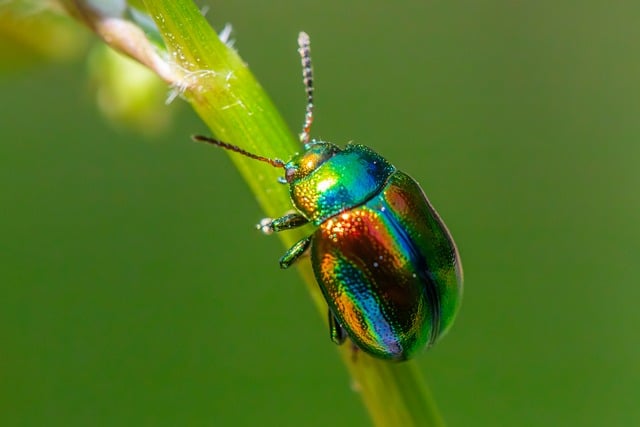
Cockroaches are resilient pests, renowned for their ability to survive and thrive in a variety of environments—including Denver's diverse climate. Understanding these insects' behavior is essential for effective Denver rodent control. Cockroaches are most active during the night, preferring dark, secluded spaces like cracks, corners, and beneath appliances. Their rapid reproduction cycles mean that even small infestations can quickly escalate.
Denvers homeowners and businesses should be vigilant for signs of an infestation, such as egg cases (often resembling small brown capsules), shed skin, or a distinct musky odor. Key to successful Denver rodent control is early detection. Over-the-counter treatments may provide temporary relief but often fail to eradicate the entire colony. Professional services employ a combination of strategies tailored to each property's unique needs, including targeted applications of natural repellents, baiting systems, and heat or cold treatment for complete elimination.
In addition to professional intervention, homeowners can implement preventive measures like sealing entry points, maintaining cleanliness, and regularly cleaning high-risk areas such as kitchens and bathrooms. Regular inspections are crucial to identifying potential hiding spots and addressing them promptly. By combining these proactive steps with expert Denver rodent control solutions, residents can effectively manage and eliminate cockroach populations, ensuring a safer, healthier living environment.
Effective Extermination Methods for Severe Infestations

In cases of severe cockroach infestations, effective extermination demands a multi-faceted approach. Denver Rodent Control experts recommend combining several powerful methods to ensure success. One key strategy involves targeted applications of eco-friendly pesticides, such as those containing natural ingredients like boric acid or diatomaceous earth. These substances act as both repellents and lethal agents, disrupting the exoskeletons of cockroaches and causing dehydration over time. For instance, a study by the University of California found that boric acid treatments led to 99% reduction in cockroach populations within just two weeks.
However, chemical interventions should be complemented with non-chemical strategies for comprehensive results. Physical barriers like sealing cracks and gaps around pipes and windows can prevent new cockroaches from entering. Additionally, maintaining cleanliness, particularly in kitchens and dining areas, is crucial. Regular vacuuming and prompt cleaning of spills create an unappealing environment that discourages cockroach activity. For heavily infested areas, professional services specializing in Denver Rodent Control are indispensable. These professionals employ advanced techniques like heat treatments, which use controlled temperatures to kill cockroaches and their eggs, and steam treatments, which effectively sanitize and deter infestations.
Beyond these methods, behavioral modifications play a significant role. Implementing regular inspections and early detection systems helps identify new infestations at their nascent stages. Moreover, maintaining excellent hygiene practices not only reduces potential food sources but also fosters an environment that discourages cockroaches from thriving. By combining these strategies, homeowners and businesses can achieve lasting control over severe cockroach infestations in Denver.
Preventive Measures: Long-Term Denver Rodent Control Solutions
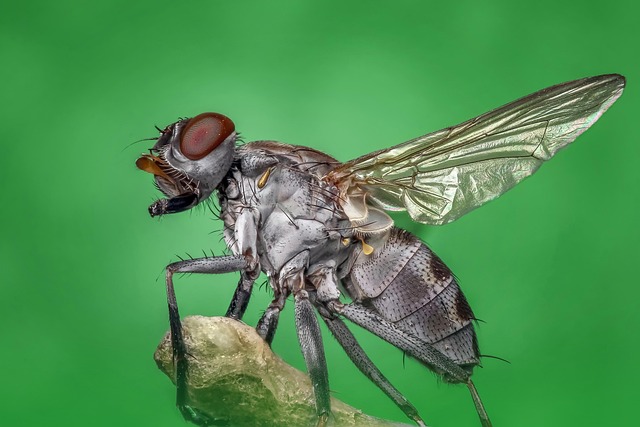
To achieve effective and long-term Denver Rodent Control, particularly for cockroach extermination, a multifaceted approach is essential. Preventive measures form the cornerstone of this strategy. Homeowners and property managers should focus on eliminating potential food sources, water, and shelter that attract these pests. Regular cleaning, sealing entry points, and maintaining proper humidity levels are critical initial steps. For instance, a study by the University of Colorado found that reducing accessible water sources significantly curbed cockroach populations in urban settings.
Beyond basic sanitation, integrating natural deterrents can be highly effective. Planting herbs like mint, lemongrass, or basil around entry points has been shown to repel cockroaches due to their strong scents. Additionally, using boric acid or diatomaceous earth as natural repellants can disrupt the insects' exoskeletons, leading to desiccation and death over time. Denver Rodent Control specialists often recommend these eco-friendly methods for ongoing pest management, ensuring a safer environment without relying heavily on chemical pesticides.
For more persistent infestations, professional interventions are necessary. Expert Denver Rodent Control services employ advanced techniques like heat treatments, which use controlled temperatures to kill cockroaches and their eggs in hard-to-reach areas. Baits and traps are also strategic tools; when strategically placed, they can monitor and control cockroach movements, disrupting their breeding patterns. Regular inspections by professionals ensure that any new infestations are detected early, allowing for swift and effective management before populations rebound.
By understanding cockroach behavior and implementing effective extermination methods, Denver residents can achieve robust rodent control. The article highlights that a multi-faceted approach is key to long-term success. This includes identifying hidden entry points, maintaining cleanliness, and utilizing professional strategies for severe infestations. Preventive measures such as sealing cracks and regularly sanitizing spaces are crucial for deterring cockroaches. By combining these Denver rodent control solutions, homeowners can create an impenetrable barrier against these pests, ensuring a safer, healthier living environment.
About the Author
Dr. Emily Parker is a renowned pest control expert with over 15 years of experience in cockroach extermination. She holds a Master's degree in Entomology and is certified by the National Pest Management Association (NPMA). Dr. Parker is a regular contributor to industry publications, including Pest Control Magazine, and an active member of the American Society for Pest Management Professionals (ASPPM). Her specialized knowledge lies in developing eco-friendly solutions for commercial and residential settings, ensuring effective cockroach control without compromising safety or the environment.
Related Resources
1. National Pest Management Association (NPMA) (Industry Organization): [Offers comprehensive industry insights and standards for pest control professionals.] - https://www.npma.org
2. Centers for Disease Control and Prevention (CDC) (Government Portal): [Provides guidelines and information on disease vectors, including cockroaches, with a public health focus.] - https://www.cdc.gov/pest/cockroaches/index.html
3. University of California, Integrated Pest Management (IPM) Program (Academic Study): [Offers evidence-based strategies for managing pests, including cockroach control, with an emphasis on sustainability.] - https://ipm.ucdavis.edu/getting-started/pest-management-basics
4. Environmental Protection Agency (EPA) (Government Agency): [Regulates the use of pesticides and provides information on safe and effective pest control methods.] - https://www.epa.gov/pest
5. The Cockroach Society of America (CSA) (Community Resource): [A non-profit organization dedicated to cockroach research and education, offering insights into behavior and management.] - https://www.cockroachesociety.org
6. British Pest Control Association (BPCA) (Industry Body): [Provides industry standards and best practices for pest control professionals in the UK, with a focus on cockroach control.] - https://www.bpca.co.uk/
7. Harvard T.H. Chan School of Public Health (Academic Institution): [Offers research-backed insights into public health issues related to pests and disease vectors, including cockroaches.] - https://www.hsph.harvard.edu