Denver Rodent Control embraces Integrated Pest Management (IPM) to balance effective pest control with environmental sustainability. By combining cultural, biological, and targeted chemical solutions, IPM minimizes harm to non-target organisms while disrupting rodent life cycles. Preventative measures like sealing entry points, proper ventilation, and regular inspections reduce the need for chemical treatments. Eco-friendly tactics like beneficial insects, plant repellents, and mechanical traps further revolutionize Denver Rodent Control, promoting a healthier urban ecosystem.
In Denver, integrated pest management (IPM) offers a holistic approach to pest control that prioritizes prevention and eco-friendly solutions. As a vibrant metropolis, understanding IPM is crucial for maintaining a balanced ecosystem while addressing pest issues, especially concerning rodent control. This article delves into the core principles of IPM, focusing on prevention strategies for rodents and highlighting green alternatives that residents and professionals can adopt for effective and sustainable Denver rodent control.
- Understanding Integrated Pest Management (IPM) in Denver
- The Role of Prevention in Rodent Control
- Eco-Friendly Solutions for Effective IPM Implementation
Understanding Integrated Pest Management (IPM) in Denver
Integrated Pest Management (IPM) is a comprehensive approach to pest control that focuses on long-term prevention and minimal environmental impact. In Denver, where the diverse climate supports various pests like rodents, IPM becomes an essential strategy for both residential and commercial properties. Instead of relying solely on chemical pesticides, IPM involves a combination of methods, including cultural, biological, and chemical solutions, to effectively manage pest populations.
By understanding the pest life cycles and behavior, Denver's IPM practices aim to disrupt the pests' presence without causing harm to non-target organisms or the overall ecosystem. This approach encourages the use of natural predators, plant resistance, trap systems, and targeted chemical applications when necessary. With the city's growing awareness of environmental conservation, IPM in Denver is transforming pest control into a sustainable and responsible process, ensuring effective rodent control while preserving the balance of nature.
The Role of Prevention in Rodent Control
In Denver rodent control, prevention plays a crucial role in managing and eliminating unwanted rodents like mice and rats. It's a fundamental strategy that integrated pest management (IPM) advocates heavily because it not only reduces the need for chemical treatments but also provides long-term solutions. By understanding how these pests enter homes or buildings, their preferred habitats, and the resources they rely on, property owners and managers can implement effective preventative measures. This may include sealing entry points like gaps in walls or floors, ensuring proper ventilation, maintaining clean environments free of debris or food sources, and using physical barriers such as wire mesh.
Regular inspections are a key part of Denver rodent control prevention. Identifying potential entry points or early signs of an infestation allows for swift action to prevent the issue from escalating. Professional Denver rodent control services often emphasize these preventative tactics as the first line of defense, ensuring that buildings remain rodent-free and minimizing the reliance on more aggressive chemical interventions.
Eco-Friendly Solutions for Effective IPM Implementation
In the realm of pest control, integrated pest management (IPM) stands out as a game-changer, especially in urban areas like Denver. When it comes to effective IPM implementation, eco-friendly solutions are not just a trend but an essential strategy for Denver Rodent Control professionals. By embracing natural methods, these experts offer safer alternatives to traditional chemical-heavy pest control. One of the key benefits is minimizing environmental impact while still achieving robust results.
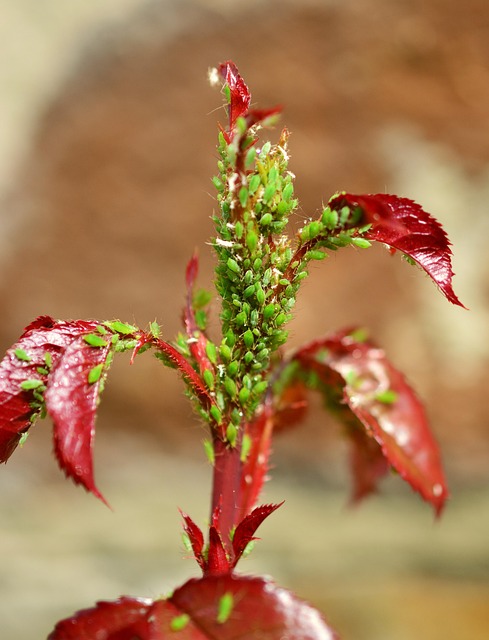
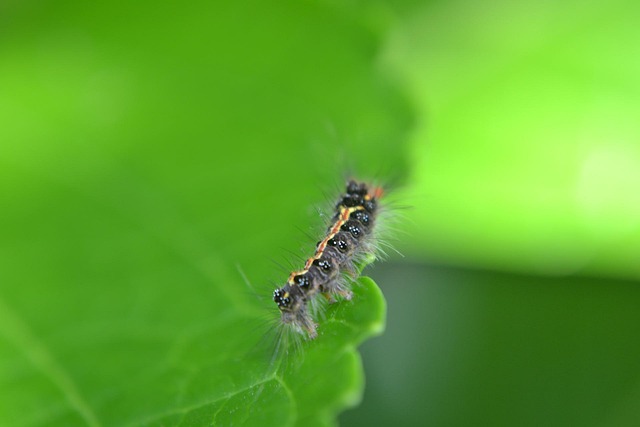
This approach involves using beneficial insects that feed on pests, applying plant-based repellents, and employing mechanical traps. For instance, introducing predator insects like ladybugs or lacewings can effectively reduce populations of harmful caterpillars or aphids. Additionally, organic oils and botanical extracts act as eco-friendly pesticides, providing a safe haven for both pets and the environment. These methods not only promote a healthier ecosystem but also contribute to a more sustainable and harmonious coexistence between humans and pests in Denver's urban landscape.
Integrated Pest Management (IPM) offers a comprehensive and eco-friendly approach to pest control, especially effective for Denver rodent control. By combining prevention, monitoring, and targeted treatments with minimal environmental impact, IPM ensures long-term pest suppression. Adopting these strategies not only helps protect the delicate balance of local ecosystems but also provides safer, more sustainable solutions for both residential and commercial properties in Denver. Embracing IPM practices is a step towards a healthier, more harmonious environment for all.